


Search


Blog

How to Use Cold Pack Therapy for Pain Relief?
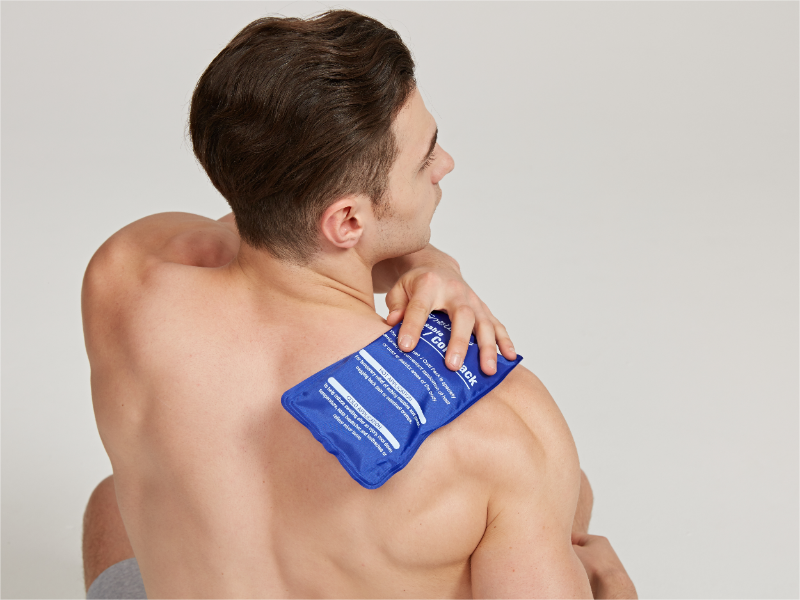
Cold Pack Therapy is a pretty simple and easy way to soothe pain after a minor injury, a workout, or when swelling pops up out of nowhere. Put a chilled gel pack on a sore ankle while you're resting, and it can help take the edge off. It might also help keep swelling down in those early days of a strain. It's practical, sure — but it's not a full treatment.
Using it safely takes a little more than just slapping ice on your skin. Wrap the cold pack in a thin towel first, then leave it on for about 15 to 20 minutes. Check your skin every few minutes. It should feel cold, not painfully numb, pale, or burning. Let your skin go back to its normal temperature before you do another round. And never fall asleep with a cold pack on.
Clinical guidance usually supports cold therapy for short-term symptom relief, though how people respond can vary. If you have poor circulation, reduced sensation, cold sensitivity, or certain medical conditions, it's best to ask a professional first. A pharmacist, physiotherapist, or licensed clinician can help you figure out safer options. Pain that sticks around, severe swelling, a deformity, or trouble moving the area needs medical attention.
Small details matter. A towel can get damp. The pack might slip. Those little things can make you less comfortable and raise the risk to your skin. Cold Pack Therapy may help, but it doesn't repair damaged tissue or tell you why you're hurting. That's an easy distinction to miss. Careful timing, skin checks, and realistic expectations make this approach more reliable.
Read more »
 By:Oliver
- October 10, 2026

How to Choose a Mini Gel Ice Pack in 2026?
So, picking a mini gel ice pack might sound like a no-brainer. But honestly, the little differences matter—they can change how comfy it feels, how safe it is, and how well it actually cools. By 2026, there are tons of designs, materials, and marketing claims to sift through. What works for you depends on where you're using it, where you'll store it, and what you need it for. A compact pack might be perfect around a wrist, ankle, eye area, or tucked in a lunch bag. But it probably won't do much for a bigger injury.
Then there's the gel formula, the outer fabric, how well it's sealed, and whether it stays flexible after freezing. A soft cover just feels nicer on skin. Reinforced seams can lower the risk of leaks. Still, no pack is perfect. Some stay cold longer but turn stiff as a board. Others bend easily but warm up fast. That trade-off? Worth paying attention to. And check the dimensions before you buy. Something that looks tiny online can feel bulky in a kid's lunch bag or a travel pouch. Read the manufacturer's care instructions, temperature guidance, and warnings. Don't put a frozen pack directly on bare skin for a long time. Use a thin cloth between it and your skin, and check it before every use. If the cover cracks, swells, or leaks, stop using it.
Choosing well also comes down to honest testing and clear product info. Look for verified customer feedback, details about materials, and warranty terms that aren't vague. Personal experience can reveal comfort problems that photos never show. That said, everyone's needs are different. If you have circulation issues, reduced sensation, or a medical condition, ask a qualified healthcare professional before trying cold therapy. This guide will compare practical features, common mistakes, and real-world value—so you can choose with fewer assumptions.
Read more »
 By:Ethan
- October 7, 2026

How to Use a Migraine Cap for Fast Relief?
A migraine can really turn what’s usually a simple room into a harsh, almost painful place. Bright screens suddenly feel way sharper, and even chatting feels like an effort. That’s when a Migrain Cap Relief might actually come in handy, especially during those early hours when the pain first starts. A properly fitted cap can snugly cover your forehead, temples, and the back of your head with coolness that’s steady but gentle. Some of them even offer a bit of gentle compression, which can be a plus.
Dr. Merle Diamond, a well-known migraine specialist at the Diamond Headache Clinic, has mentioned that ice has been used as a migraine remedy for ages—that’s nothing new. Honestly, it’s a time-tested trick, but it’s not a magic fix and doesn’t work the same for everyone. Cold can help soothe that pounding and give your brain a bit of a break, but it doesn’t tell you what triggered the migraine in the first place. Plus, it’s definitely not a substitute for the treatments your doctor has prescribed.
When you use the cap, make sure to follow the instructions carefully. Place a thin cloth between your skin and the cold surface—no direct contact, to avoid frostbite. Try using it for a short time in a dimly lit room, then check your skin afterward. If you notice numbness, burning, strange discoloration, or if your pain gets worse, stop immediately. Keep a glass of water nearby, and instead of forcing your neck into an awkward position, rest it comfortably.
Sometimes, the little details really matter. This guide will walk you through how to pick the right cap, position it properly, cool it safely, and keep it clean. We’ll also discuss when to use it, how comfortable it might be, what materials are best, and what realistic expectations you should have. Keep in mind, evidence supporting cold therapy is limited and pretty variable from person to person. That’s something to keep in mind—what helps during one attack might not do much the next time. If your headaches become more frequent, more intense, or are different from your usual pattern, definitely reach out to a healthcare professional for advice.
Read more »
By:Oliver
- October 4, 2026

What Are Body Ice Packs and How Do They Work?
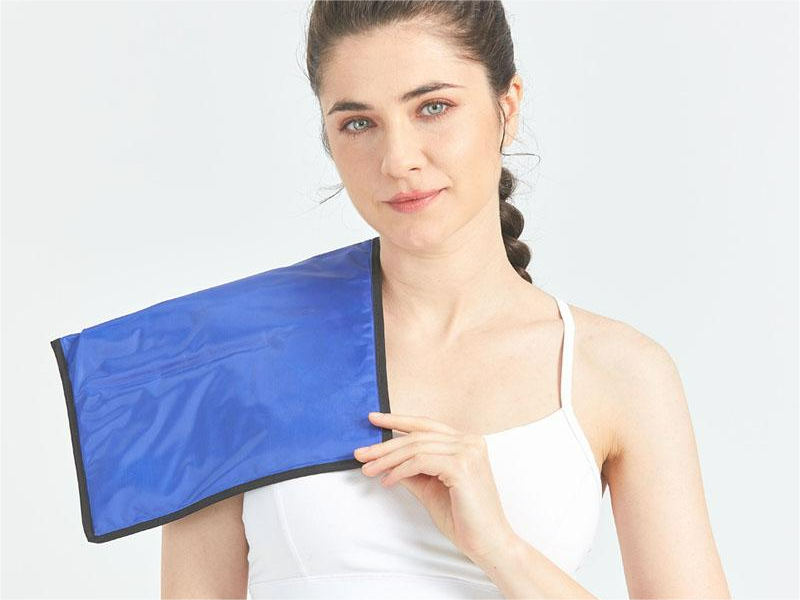
Body Ice Packs are pretty straightforward and portable tools that people use to cool down sore or swollen spots after a workout, minor strains, or even everyday bumps. They usually come with soft covers filled with gel, water, or phase-change materials. When you pop one in the freezer and then apply it, it pulls heat away from your skin and the tissues underneath. This causes blood vessels to tighten up a bit, which can help reduce swelling and dull the pain. It's a pretty local effect—practical, but short-lived.
Dr. Gabe Mirkin, a sports medicine doc who helped popularize the RICE method (Rest, Ice, Compression, Elevation), has recently said, “I now believe that ice can actually slow down the healing process.” His point is a good reminder that cold therapy isn’t always the best solution for every injury. Sure, Body Ice Packs might make you feel better temporarily, but they don’t actually fix torn tissues or tell you what’s really going on with an injury. That’s an important distinction. And the idea that “more ice is always better” is not something you should blindly believe either.
Getting started with ice packs is pretty simple—start by placing one over a thin cloth on the affected area, and make sure to check your skin frequently. Remove it if you notice numbness, burning sensations, or any weird discoloration. Usually, sticking to about 10 to 20-minute sessions works well, but everyone’s different, so listen to your body. And a big no-no: never fall asleep with an ice pack still on you. If you have circulation issues, nerve problems, or complex injuries, it’s safest to chat with a healthcare professional before using one.
This article dives into how Body Ice Packs work to transfer heat, how they might affect pain perception, and how they fit into a solid recovery routine. We’ll also look at different types like gel packs, reusable models, and flexible wraps. While the evidence out there can help guide you, it’s not perfect. Just because a cold pack makes something feel better doesn’t automatically mean your injury is healing—comfort alone isn’t proof of recovery.
Read more »
By:Oliver
- October 1, 2026

2026 Best Migraine Relief Hat for Wholesale Buyers
A migraine relief hat can actually be a pretty handy addition if you're building a thoughtful wellness collection in 2026. For wholesalers, choosing the right one isn’t just about picking a color or the price per unit. You’ve gotta think about how the fabric feels, how flexible the gel is, the fit range, and whether the supplier can keep up with steady quality and supply. Imagine a customer pulling the hat from a chilled pack and slipping it over their forehead—if it’s stiff, has scratchy seams, or smells funky from the packaging, that’s a quick turn-off. Little details really do make a difference.
This guide is here to walk you through what to look for in the product and sourcing questions—just remember, we're not treating this hat like a medical device. Some folks might find the cooling or gentle compression soothing, but results can really vary, and it’s important to note that this product doesn’t diagnose or cure migraines. When shopping around, it’s smart to check out the material specs, care instructions, size options, and even ask for samples. It’s also good to ask your suppliers how the gel behaves after being chilled repeatedly and if the seams hold up during regular wear. Those little checks can tell you a lot, but no sample can guarantee how every customer will feel about it—that’s just part of the deal. Clear descriptions, honest claims, and quick communication with suppliers go a long way in avoiding returns and building trust. While a low wholesale price might look tempting, it’s pretty pointless if the fit’s awkward or you can’t count on timely restocks. There’s no magic checklist—even the most careful buyers can miss something. The goal is a smart, balanced choice that prioritizes comfort, quality, and solid info.
Read more »
By:Oliver
- September 26, 2026

Top 10 Hand Warmers Heat Packs for Global Buyers?
Picking out the right hand warmers or heat packs isn’t as simple as just comparing those claimed temperature numbers. Honestly, buyers all over the globe need to dig a little deeper—things like how long they last, how quickly they heat up, what materials are inside, how well they’re packaged, and if they’re safe to use. For example, a pocket that feels super warm for ten minutes might turn into a total letdown if you're out in the cold for a whole six-hour shift.
According to Grand View Research’s report, the demand for hand warmers is really taking off—especially among folks into outdoor activities, winter travel, sports, or even industrial jobs. Meanwhile, Fortune Business Insights points out that portability, whether a pack is disposable or reusable, are also big factors influencing what people buy. All this just goes to show: when you're shopping, it’s smart to think about how you'd actually use the stuff, not just what's trending on retail shelves.
Then there’s Professor Ken Parsons, a well-respected expert on thermal environments, who points out that 'thermal comfort' isn’t just about the temperature—it's a mental state of feeling satisfied with the environment. So, your personal comfort depends on more than just the thermometer reading—things like gloves, wind, humidity, your circulation, and what you're actually doing all matter a lot.
In this guide, I’ve looked at ten top options for buyers around the world. I considered factors like how consistently they heat up, how long they last, how easy they are to carry around, what the materials look like, and whether the supplier is trustworthy. Just a heads-up, availability can vary by region, and labeling requirements might differ too.
No single product is perfect—trust me on that. Some warmers work better in dry, cold conditions, while others need a good shake or proper airflow to work their magic. So, before you go and order in bulk, make sure to check out manufacturer instructions, look for independent tests, and see what regulations apply in your area. Plus, don’t assume that a lower price means it's better; sometimes it hides issues like weaker packaging or shorter lifespan, which can end up being a real pain.
In the end, the best hand warmers are the ones that give you reliable warmth, clear info, practical packaging, and are made with quality control you can trust. This overview is here to help you spot those qualities more easily and make smarter choices when shopping for your heat packs.
Read more »
By:Oliver
- September 21, 2026

Top 10 Larger Ice Packs for Global Buyers
Picking a bigger ice pack isn't just about grabbing the heaviest cold source you can find. Folks who are shipping internationally know that reliable cooling, easy handling, and consistent performance in all kinds of conditions are the real priorities.
A larger ice pack can really come in handy for protecting things like seafood, medicines, meal kits, drinks, and other temperature-sensitive goods during long trips. But size alone isn’t a magic fix. Sure, a 2-kilogram pack might last longer in the cold, but it also means you’ll need sturdier boxes and more freezer space, which can be a real pain, especially in busy warehouses.
In this guide, I’m going to walk you through ten bigger ice packs, looking at things like how long they keep things cool, how fast they freeze, gel stability, leak-proof features, outer layer strength, and whether they’re reusable. I’ll also cover their sizes, weight, how efficiently they fit in storage, and whether they work well with insulated boxes.
From real-world experience, I’ve learned that tiny details often make or break your results. For example, a rough edge on a pack can poke holes in a liner, a weak seal might let moisture sneak in, and a pack that looks fancy doesn’t always freeze evenly. Not every product lives up to its hype, so it’s good to keep that in mind.
Of course, the best pick really depends on what you’re shipping, how long your journey is, the outside temperature, and how often the packages are handled. Before you go big on an order, it’s smart to ask for specs, test samples yourself, and get clear instructions on how to use them. If possible, independent testing for temperature performance is even better.
This comparison is mainly for distributors, retailers, food suppliers, and logistics folks—it’s not about finding one perfect product for every situation. Conditions change, and your packaging needs to adapt along with that.
Bottom line? Don’t expect fancy promises; look for practical comparisons. A good, reliable larger ice pack should fit your shipment, hold up during handling, and actually keep things cold when it counts.
Read more »
 By:Nathaniel
- September 18, 2026

China Top 10 Ice Pack With Belt Manufacturers
The China Top 10 Ice Pack With Belt Manufacturers market is really catching the eye of distributors, clinics, sports teams, and folks buying for home use. People are looking more than ever for reusable products that do a bit of everything—cooling, compression, and hands-free support. According to Grand View Research, the global market for cold pain relief products keeps growing, fueled by sports injuries, recovery gear, and just general home treatments. And here’s the thing: buyers now tend to compare things like material safety, how long the cold lasts, fit, and whether the product can be reused, instead of just focusing on price.
One thing to keep in mind is that many market reports don’t really separate Ice Pack With Belt products from the wider cold therapy category. That’s a bit of a limitation. So, in this ranking, we’ve looked at aspects like how much experience the factories have, their export abilities, the quality of their product testing, how adjustable the belts are, gel stability, and customer service quality. We also checked if they give clear instructions and if their product sizes are consistent. A good, comfy belt should stay stable whether it’s around a knee, shoulder, waist, or ankle. Tiny details really matter here—if the buckle or fastening strip feels flimsy, what could be a super handy product might end up just cluttering your drawer.
Dr. Gabe Mirkin, the doc who came up with the RICE method, later said, “I now believe that ice can actually delay healing.” That’s pretty eye-opening because it reminds us that ice isn’t always the answer; it should be used carefully. A belt should provide controlled, short-term cooling support—not just be a cookie-cutter fix that replaces medical advice. The manufacturers on this list each bring something different to the table—some focus on private labels, others on orthopedic design, and some on large-scale distribution. But, let’s be real: no list is perfect. Product quality can vary from batch to batch, and those factory claims should always be independently checked. This guide can be a helpful starting point for buyers or professionals looking for trustworthy Chinese suppliers, but always do your own due diligence.
Read more »
By:Nathaniel
- September 15, 2026

What Are the Top 10 Hot And Cold Pack Suppliers in China?
Picking the right supplier for hot and cold packs in China isn’t just about scanning through prices in a catalog. Honestly, what really matters is how these packs perform once you start using them day-to-day. A good pack should heat evenly, stay flexible even after being frozen, and not leak when handled repeatedly. These little things really make a difference—they affect comfort, safety, and whether your customers trust your product. In this guide, I’ve rounded up ten Chinese suppliers worth a closer look, considering things like their manufacturing experience, product variety, customization options, quality control, and how reliable they are when it comes to exports.
But don’t just judge these companies by how slick their websites look. It’s smart to dig a little deeper—check out their factory capacity, what materials they use, how they seal the packs, their packaging standards, and how quickly they respond to inquiries. Different suppliers might offer gel packs, reusable therapy packs, insulated covers, or even private-label options. Depending on what you need, one might be a better fit than another. And honestly, testing samples before committing is super important. Something might look perfect online but fall apart after a few heating cycles or rough handling. You definitely don’t want to overlook that.
Now, these companies aren’t ranked only by size or fancy presentation. The real trick is figuring out what works best for your market—thinking about your order volume, target price, and regulatory compliance. Some suppliers are great at custom designs, while others excel in delivering consistent standard products. Plus, since experiences can vary, it’s a good idea to ask for test reports, sample products, and detailed specs before making any big decisions. This list is just a helpful starting point, not the final say. Things might shift once you do a factory visit or test larger samples—that’s totally normal. Taking the time to verify everything helps ensure quality and builds stronger, lasting relationships down the line.
Read more »
By:Oliver
- September 12, 2026

2026 How to Choose Promotional Ice Packs for Global Buyers?
Picking out a promotion ice pack for global buyers isn’t just about choosing a flashy color or the lowest price per unit. You really need to find one that can protect your products, support your branding, and work well across all kinds of shipping conditions. I mean, just because a frozen pack looks reliable in a warehouse doesn’t mean it’ll hold up after lots of temperature shifts during transit. That’s a risk you definitely want to keep in mind.
Dr. Laura Chen, who’s a cold-chain packaging expert at ColdChain Insight, put it nicely when she said, “A promotional ice pack has to earn trust before it gets anyone’s attention.” Her advice is pretty practical. Buyers should look into things like gel stability, how well it’s sealed, how durable the surface is, and how it performs across different temperatures. A leaking pack can ruin labels, damage cartons, and shake customer confidence — so paying attention to those small details really matters.
It helps to start by thinking about what you’re actually using the pack for. Are you shipping meal kits, medical samples, seafood, cosmetics, or maybe some event giveaways? Each might need different cooling ranges. Also, check the size of the pack compared to your shipping box. Take a look at how long it takes to freeze, how quickly it thaws, and how long it can keep things cool. Don’t forget to ask your supplier for test reports, material details, and actual samples. And if you’re printing on the packs, see how it looks under condensation — that can be a telltale sign of quality.
When you’re buying from different countries, good communication is key. Make sure you double-check the packaging info, recycling instructions, customs paperwork, and delivery terms. Each destination might have different rules, so never assume one design fits all markets. Some buyers miss out on considering storage space or minimum order quantities, which can end up costing a lot more than expected.
Of course, no product is perfect. There’s always a chance something unexpected could happen — maybe a port delay or some crazy summer heat wave. That’s why it’s smart for responsible buyers to test out their shipping routes with real-world scenarios before placing big orders. A really reliable promotion ice pack balances cooling efficiency, safety, branding, cost, and solid evidence of performance. Looks are great, but at the end of the day, performance is what really counts.
Read more »
By:Oliver
- September 9, 2026

China Best Coldpack Manufacturers for Global Buyers?
When you look at the Coldpack industry these days, it's pretty clear that China is a major player. The rising demand for reliable temperature control solutions has really pushed the market to grow quickly. I mean, Dr. Emma Zhou—who's basically an expert in Coldpacks—once said, ‘Innovation and reliability are absolutely key to success in this field.’ That pretty much sums it up, right?
The top Coldpack manufacturers in China are really stepping up to meet the needs of customers around the world. They’re combining cutting-edge tech with strict quality checks to keep things top-notch. Plus, many of them are focused on eco-friendly materials, which is great for the environment. Of course, it’s not all smooth sailing—there are still some hurdles, especially when it comes to making sure they meet international standards.
Now, with so many players out there, finding the right Coldpack supplier can feel a bit overwhelming. You’ve got to think about things like production capacity, how long the Coldpacks last, and whether the supplier is trustworthy. Not everyone is created equal, so it’s really important to understand exactly what you need. When you do your homework, it’s totally possible to build good partnerships and find solutions that really work for you.
Read more »
By:Oliver
- September 4, 2026

2026 Top Coldpack Innovations for Global Buyers Guide?
In today’s fast-changing world of logistics and food safety, Coldpack technology really plays a crucial role. As more and more global buyers look for reliable solutions, the 2026 Coldpack Innovations Guide gives a great overview of the latest happenings. Companies like Arctic Air and Cool Logistics are leading the way, really shaping how we think about keeping things at the right temperature.
As we dive into these new developments, it’s important to keep in mind the specific needs of different markets. The demand for efficient Coldpack solutions pushes companies to adapt and get creative. Plus, understanding local regulations is a must—skip that and you could really miss the boat. Otherwise, businesses risk falling behind their competitors.
That said, not every new innovation is a total game-changer. Some might not fit what the market actually needs, or they might not be all that effective. It’s wise to take a close look at each new development and consider what it really offers. Striking the right balance between innovation and market relevance is definitely a challenge for industries relying on Coldpack technology, but it’s a challenge worth tackling.
Read more »
By:Ethan
- August 30, 2026

Top 10 Reusable Ice Pack Factories for Global Buyers?
You know, the demand for reusable ice packs is just really picking up worldwide, and it's kinda obvious why — everyone’s more conscious about sustainability these days, plus these packs are super versatile. I read a report from Frost & Sullivan that says this market could grow around 6% each year for the next five years. That’s a big deal for manufacturers out there because it means a whole lot of opportunity. But here’s the thing—experts keep telling people it’s crucial to find the right factory for those ice packs. You want quality you can trust and products that actually hold up.
Dr. Lisa Wang, who's pretty well-known in cold chain logistics circles, mentioned that investing in top-notch ice packs isn’t just a luxury—it's essential if you want your temperature control to be on point. When you're looking at different factories, it’s really important to do your homework. Things like how much they can produce, if their materials are safe, and whether they’re innovating matter a lot if you want to stay ahead.
Now, not every factory claiming to make great products actually lives up to that. Some might struggle with keeping quality in check or might not be doing enough to be sustainable. That’s why it’s smart to look for transparency—ask for data, see how they operate. If you’re thinking about investing or just buying in bulk, getting familiar with the industry landscape is key to making a smart choice when picking a Reusable Ice Pack Factory. Trust me, it’s worth taking your time to find one that’s reliable and genuinely good at what they do.
Read more »
By:Oliver
- August 25, 2026

2026 Best Cold Pack Gel for Global Buyers What to Know?
When it comes to the global market, picking out the right Cold Pack Gel can honestly feel pretty overwhelming for buyers. With so many options out there, it’s really important to understand what features matter most. These gels aren’t just for one thing—they’re used for everything from helping injuries heal to relaxing sore muscles. It’s kind of a lot to consider!
So, when you're shopping for a Cold Pack Gel, keep an eye on how well it holds its temperature and whether it stays flexible. Not all gels behave the same way under different conditions, and some brands just seem more reliable than others. Checking out customer reviews can actually give you some good clues about potential issues—trust me, it’s worth a read.
Plus, how the gel is applied really matters too. Some come in handy pouches that you just squeeze or press onto your spot, while others need to be wrapped around with a band or something. It’s all about what suits your needs best.
And don’t forget, sourcing matters a lot. Not every manufacturer follows safety standards or offers high-quality products. So, it’s smart to be cautious and make sure what you’re buying is certified safe and reliable. Getting in touch with the makers directly can sometimes give you a better sense of what you’re really getting—more than what you find online.
All in all, choosing the right Cold Pack Gel should really match what you need and expect from it. Taking a bit of time to research and compare makes a big difference—in the end, you’ll get something that actually works for you.
Read more »
By:Oliver
- August 20, 2026

Why Choose Ice Packs For Cold Therapy Benefits and Usage?
When it comes to recovering from injuries or managing pain, ice packs for cold therapy have really become go-to tools. Dr. Emily Carter, who's pretty much an expert in physical rehab, often says, *“Cold therapy can really cut down recovery time.”* So, getting a good grasp on how to use these ice packs properly is pretty important, whether you're a patient or a pro.
A lot of athletes swear by ice packs to help soothe pain and keep swelling in check. The cold numbs things a bit and also slows down blood flow to the hurt spot. That’s not just good for injuries—some even use it as a kind of preventative measure. But here’s the thing—if you don’t use them right, you might end up doing more harm than good. Misusing ice packs can cause skin damage or just plain ineffective results.
Overall, ice packs are super helpful, but you gotta know how to use them properly. Keep an eye on how long you’re applying it so you don’t risk frostbite, and picking the right type of ice pack makes a big difference too. Once you’re aware of these little details, you’ll not only get better results but also stay safe during your cold therapy sessions.
Read more »
By:Oliver
- August 17, 2026
© Copyright - 2010-2023 : All Rights Reserved. Sitemap - Top Blog
Cold Pack, Reusable Hot And Cold Gel Ice Packs, Hot Cold Gel Pack, Cold Pack Gel, Migrain Hat, Ice Pack, Top Topic
Cold Pack, Reusable Hot And Cold Gel Ice Packs, Hot Cold Gel Pack, Cold Pack Gel, Migrain Hat, Ice Pack, Top Topic
Contact
-
No.165, Xincui Road, Huaqiao town, Kunshan, China