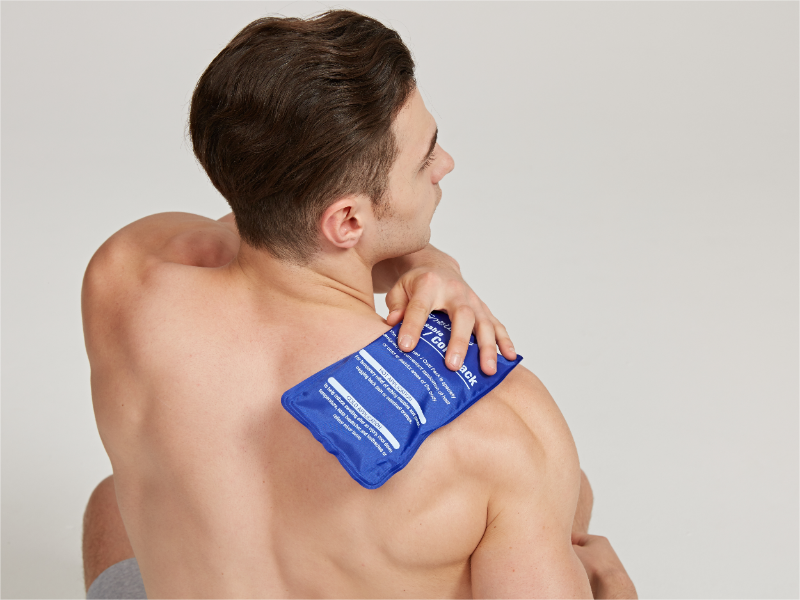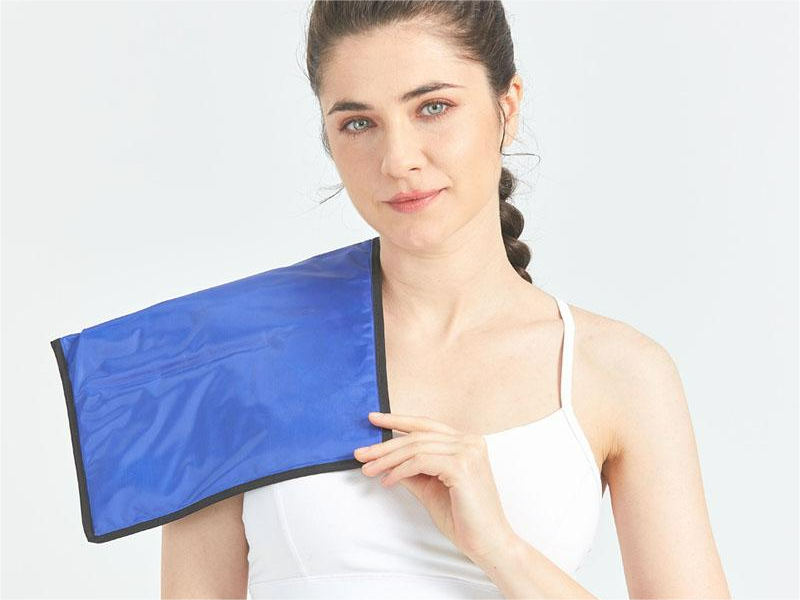
Picking the right supplier for hot and cold packs in China isn’t just about scanning through prices in a catalog. Honestly, what really matters is how these packs perform once you start using them day-to-day. A good pack should heat evenly, stay flexible even after being frozen, and not leak when handled repeatedly. These little things really make a difference—they affect comfort, safety, and whether your customers trust your product. In this guide, I’ve rounded up ten Chinese suppliers worth a closer look, considering things like their manufacturing experience, product variety, customization options, quality control, and how reliable they are when it comes to exports.
But don’t just judge these companies by how slick their websites look. It’s smart to dig a little deeper—check out their factory capacity, what materials they use, how they seal the packs, their packaging standards, and how quickly they respond to inquiries. Different suppliers might offer gel packs, reusable therapy packs, insulated covers, or even private-label options. Depending on what you need, one might be a better fit than another. And honestly, testing samples before committing is super important. Something might look perfect online but fall apart after a few heating cycles or rough handling. You definitely don’t want to overlook that.
Now, these companies aren’t ranked only by size or fancy presentation. The real trick is figuring out what works best for your market—thinking about your order volume, target price, and regulatory compliance. Some suppliers are great at custom designs, while others excel in delivering consistent standard products. Plus, since experiences can vary, it’s a good idea to ask for test reports, sample products, and detailed specs before making any big decisions. This list is just a helpful starting point, not the final say. Things might shift once you do a factory visit or test larger samples—that’s totally normal. Taking the time to verify everything helps ensure quality and builds stronger, lasting relationships down the line.
China’s hot and cold pack supply base is expanding with demand from sports care, household first aid, and food transport. Grand View Research estimates the global hot and cold therapy packs market reached about USD 1.1 billion in 2023. It also forecasts growth of roughly 5% annually through 2030. These figures make supplier selection more important than a simple price comparison.
The top 10 hot and cold pack suppliers in China should be judged through practical evidence. Check gel temperature retention, leak resistance, sealing strength, and freeze-thaw performance. Ask for batch records, material declarations, and independent test reports. Suppliers serving medical or wellness markets should explain applicable quality systems, such as ISO 13485, when relevant. Packaging tests based on ASTM D4169 can also reveal damage risks during export shipping.
Look closely at factory details. A reliable supplier should show production lines, sampling procedures, and corrective-action records. Request samples from different batches, not only polished showroom pieces. Some factories quote low prices but use thinner films or unstable gel formulas. That weakness may appear after repeated freezing. I have found that response speed is useful, but it is not proof of technical ability. A written specification, realistic lead time, and traceable inspection process matter more. The “top” ten may change by product type, order volume, and destination-market requirements. There is no universal ranking.
This chart compares the number of supplier profiles in a 10-supplier review that publicly list each major hot and cold pack format. Reusable gel packs show the broadest product coverage, followed by instant cold packs and hot/cold therapy wraps.
Evaluating hot and cold pack suppliers in China starts with evidence, not polished catalogues. Ask for the factory address, production photos, and a live video tour. A reliable supplier should explain the gel formula, outer-film structure, sealing method, and storage limits clearly. Request samples from a normal production run, not only hand-finished samples. Test them after freezing, heating, bending, and repeated use. Small defects matter.
Check measurable quality controls. Ask for batch records, leak-testing data, dimensional tolerances, and material declarations. Independent laboratory reports can confirm performance, skin-contact suitability, and microbial control. Do not accept a certificate without checking its scope, date, and issuing laboratory. The paperwork may look complete. Sometimes it is not.
Compare minimum order quantities, tooling fees, lead times, packaging, and replacement policies in one table. A low quotation can hide weak film, inconsistent filling, or costly inspection delays. Ask how the supplier handles failed samples and late shipments. Then place a controlled trial order with clear dimensions, temperature ranges, label placement, and carton requirements. Record response times and whether technical questions reach an engineer. Experienced teams identify risks early. Inexperienced teams simply agree. That difference can affect every later shipment.
China’s top 10 hot and cold pack suppliers serve medical care, sports recovery, household use, and food transport. The strongest suppliers usually specialize in one or two product categories. Some produce reusable gel packs with soft fabric covers. Others focus on instant packs, heating pads, or compact travel designs.
A practical top-ten shortlist A practical top-ten shortlist should include suppliers with stable factories, clear material records, and consistent batch testing. Look for food-grade or medical-grade packaging where the application requires it. Ask about gel viscosity, seal strength, heating time, cooling duration, and temperature limits. Reliable manufacturers should provide samples before large orders. They should also explain their quality inspection process.
Several leading suppliers support custom sizes, printed sleeves, private packaging, and moderate order quantities. This helps importers test new designs without excessive inventory. Larger factories may offer automated sealing and aging tests. Smaller specialists can respond faster to unusual shapes. Both options have weaknesses. A large supplier may communicate slowly, while a small factory may lack advanced testing equipment.
In supplier comparisons, inspect the pack after repeated freezing and heating cycles. Check for swelling, leakage, brittle plastic, or unpleasant odor. Request production photos and recent test documents. Certifications matter, but paperwork alone cannot prove daily reliability. A ranking can never be perfectly objective. Pricing, shipping distance, and product consistency may change by project. Some suppliers look impressive during sampling, yet perform less evenly during mass production.
China’s leading hot and cold pack suppliers usually offer reusable gel packs, instant cold packs, clay therapy packs, and heatable grain-filled pads. Some also produce flexible wraps for shoulders, knees, wrists, and lower backs. Their products may use nonwoven fabric, nylon, PVC, or soft laminated film. Each material affects comfort, durability, and leak resistance.
Customization often includes pack size, shape, filling weight, temperature-holding time, and surface texture. Buyers can request custom covers with adjustable straps, washable sleeves, or insulated layers.
Printed logos, private labels, color matching, barcode labels, and retail-ready packaging are also common. Suppliers may provide zipper bags, cartons, hanging cards, or multilingual instructions. Small orders are sometimes accepted, but mold fees and setup costs can change the final price.
Reliable sourcing requires more than comparing catalogs. Ask for samples and test them under real use conditions. Check sealing strength, heating instructions, cooling performance, and odor after repeated use. A supplier should provide clear material details and applicable safety documentation. I have found that attractive samples can hide weak seams. That matters.
Customization can also create problems. Dark fabric may fade, and thicker gel may heat unevenly. Request production samples before approval. Confirm lead times, inspection procedures, and packaging tolerances in writing. Good suppliers explain limitations instead of promising everything.
Reliable hot and cold pack suppliers in China begin with controlled materials, not attractive packaging. They verify gel ingredients, fabric strength, seals, and closures before production. Each batch should have a traceable code, inspection record, and retained sample. This makes problems easier to locate.
Factories often test packs for leakage, pressure, temperature tolerance, and repeated use. Heatable products need clear heating limits and practical timing instructions. Cold packs require freezer testing to reduce cracking or sudden rupture. Suppliers may use calibrated equipment and independent laboratories for material and safety checks. Skin-contact materials should be assessed against applicable chemical and biological safety requirements. The exact standard depends on the product design and destination market.
Worker training also matters. Clean production areas, documented procedures, and final visual inspections reduce avoidable defects. Auditors should review records, not only factory walls. A supplier can show certificates, yet weak batch control may still create risk. That detail is easy to miss. Packaging must include warnings, usage steps, storage conditions, and disposal guidance. Instructions should be tested with ordinary users, not only engineers. Some wording may appear clear but remain confusing in real homes. Continuous complaints analysis, corrective actions, and periodic product testing help suppliers improve, although no manufacturing system is completely perfect.
When comparing the top 10 hot and cold pack suppliers in China, begin with a like-for-like quotation. Request the same size, filling weight, fabric, packaging, and temperature rating. A reusable gel pack may cost less at 10,000 pieces than at 1,000 pieces. However, printing, cartons, inspection, and shipping can change the final price.
Ask each supplier for a detailed price breakdown. Separate tooling fees from the unit cost. Confirm whether the quote includes export packaging and product testing. Minimum orders deserve equal attention. Some factories accept 500 pieces for standard packs, while custom shapes may require 3,000 or more. Small orders often carry higher prices. They also reveal production flexibility.
Lead times should be measured from approved artwork and deposit payment. Standard products may ship within 10 to 20 working days. Custom colors, molds, or printed sleeves can add another one or two weeks. Request a sample before placing a large order. Check seal strength, gel distribution, odor, and heating performance. Tiny details matter.
A practical comparison sheet should record price, MOQ, sample time, production time, packaging, payment terms, and defect policy. I would also ask for recent production photos and a video inspection. Suppliers sometimes provide optimistic schedules. My own early comparisons focused too heavily on unit price, which caused delays later. A cheaper quote is not always the better purchase. Ask difficult questions early.
When comparing the top 10 hot and cold pack suppliers in China, inspect evidence before price. The WHO says more than two million medical device types exist worldwide. This makes product classification important. Ask whether the pack is intended for home use, clinical use, or sports recovery. Request technical files, material specifications, safety test results, and batch records. A polished catalog is not proof.
Check whether the factory operates an ISO 13485 quality system. The ISO Survey 2023 records more than 30,000 certificates worldwide, so certification alone does not prove strong production control. Verify the certificate’s scope, address, expiry date, and issuing body. Review leak testing, temperature retention, seam strength, and microbial-control procedures. Ask for recent third-party reports, not old samples. I have found that sample quality can differ from mass production. That uncomfortable gap deserves attention.
For each supplier, confirm the gel composition, outer-film thickness, filling tolerance, and labeling controls. Request a traceable lot number on every carton. The OECD’s 2023 trade data shows China remains a major manufacturing hub, but logistics performance still varies by region and factory size. Check export experience, packaging drop tests, lead-time records, and written handling instructions. Clarify who pays for failed inspections or damaged shipments. Also test samples after freezing, heating, bending, and repeated use. Do not skip this step. A supplier that answers quickly but avoids raw data may be efficient at sales, not quality.
Compare evidence, not only prices. Check temperature retention, leak resistance, seal strength, and freeze-thaw performance. The best supplier may differ by product type and destination market.
Request material specifications, batch records, safety reports, and technical files. Ask for recent independent test reports. Old samples can hide current production problems.
No. Verify the certificate’s scope, factory address, expiry date, and issuing body. Certification helps, but it does not replace production checks.
Test freezing, heating, bending, and repeated use. Inspect gel leakage and film damage after each cycle. One successful test is not enough.
Showroom samples may be unusually polished. Different batches reveal formula changes, filling differences, and sealing weaknesses. This step can feel slow, but it exposes uncomfortable gaps.
Look for sampling procedures, production-line records, and corrective-action reports. Ask how failed units are isolated. A quick reply is not proof of technical skill.
Request packaging drop-test results and handling instructions. Testing based on ASTM D4169 can reveal shipping damage risks. Check carton strength, internal protection, and lot traceability.
Confirm gel composition, film thickness, filling tolerance, labeling controls, and lead time. Put inspection responsibilities in writing. A low quote may become expensive after leaks, delays, or rejected shipments.
This guide presents a practical overview of the top 10 Hot And Cold Pack suppliers in China without focusing on specific brand names. It explains how to evaluate suppliers by reviewing product range, manufacturing capabilities, customization options, certifications, safety procedures, and quality-control systems. Buyers can learn what to look for in reusable hot and cold packs, gel packs, compression products, insulated packaging, and other temperature-therapy solutions, including size, shape, materials, filling types, packaging, labeling, and private customization.
The article also provides a clear framework for comparing prices, minimum order quantities, production capacity, sample policies, payment terms, and lead times. Before choosing a supplier, buyers should verify business qualifications, factory experience, testing documentation, material safety, production consistency, communication quality, and after-sales support. By comparing these factors carefully and requesting samples and detailed quotations, importers can reduce purchasing risks and select a reliable supplier that meets their quality, budget, delivery, and customization requirements.