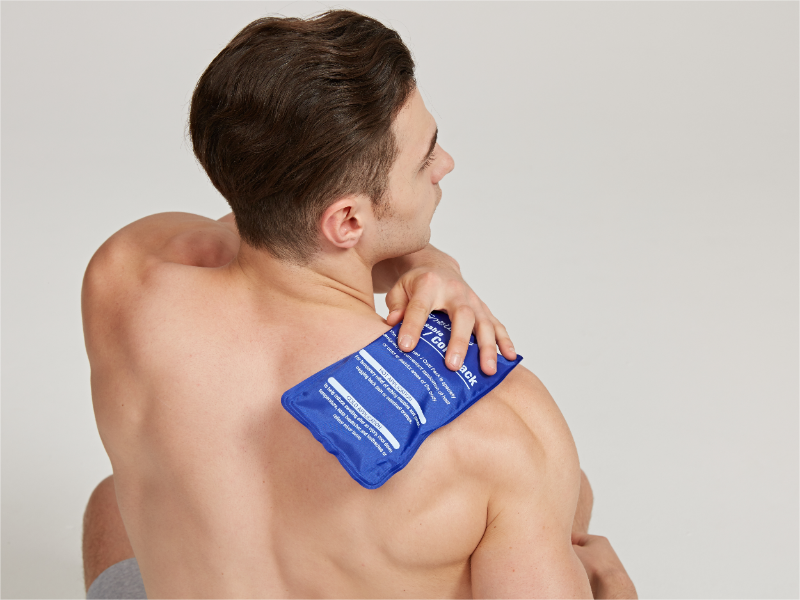
In the world of recovery and wellness, Ice Gel Packs have really become pretty popular lately. Dr. Sarah Mitchell, who's been a physiotherapist for decades and knows her stuff, points out how important they are: 'Ice Gel Packs are pretty much essential when you want fast relief from pain and swelling.' Honestly, they’re such a handy tool—not just for athletes, but for anyone dealing with aches or injuries.
Using these packs gives you quick cold therapy—great for swelling and easing sharp pains. But here’s the thing: a lot of people don't necessarily know the best way to use them. Some might not be clear on how long to leave them on or how often to apply them, which can cut down on how well they work. If you get the hang of the right timing and technique, these packs can work wonders.
Adding Ice Gel Packs into your recovery routine could really make a difference. But, let’s be honest, there's always room to learn more. It’s worth taking a little time to understand the best ways to use them—like knowing when to apply, whether to put something between your skin and the pack, and how often. When used properly, these packs can totally change the game—helping with sudden injuries and even long-term pain issues alike.

Understanding Ice Gel Packs: What They Are and How They Work
Ice gel packs are a versatile solution for pain relief and injury recovery. They consist of a gel-filled pouch that can be chilled or heated, depending on your needs. When frozen, these packs provide a soothing cold sensation. This cold therapy can reduce swelling and numb acute pain. Many athletes use them for muscle injuries after workouts. They are easy to use and portable, making them a favorite for home and travel.
Using ice gel packs requires some care. To avoid frostbite, wrap the pack in a cloth before applying it to the skin. Limit your treatment time to about 20 minutes. It’s important to listen to your body. If you experience discomfort, remove the pack and rest. The gel packs can also be warmed in the microwave, which is great for muscle tension. However, be cautious not to overheat them. Check for even heat distribution and ensure the pack is safe to use.
Many find it challenging to keep ice packs at the right temperature. Sometimes they melt too fast or become too rigid when frozen. This can lead to less effective treatment. Understanding how to store and apply these packs can enhance their benefits. Regular use, along with proper techniques, can lead to better recovery and overall relief.
Key Benefits of Using Ice Gel Packs for Pain Relief
Ice gel packs are a simple yet effective solution for pain relief. They provide cold therapy, reducing swelling and numbing pain. Whether it's a sports injury, muscle strain, or post-surgery discomfort, these packs can offer instant relief. The cold temperature constricts blood vessels, which helps soothe inflammation and lessen bruising.
Using ice gel packs requires some knowledge for maximum effectiveness. Always wrap the pack in a cloth before applying it directly to the skin. This prevents frostbite and skin damage. Apply the gel pack for 15 to 20 minutes, then take a break. Overuse can lead to skin irritation, so timing is essential. It's common to feel a bit of discomfort initially, but that typically fades as the area becomes numb.
Choosing the right cooling method can be trial and error. Some people prefer a softer gel, while others need a more rigid pack. Notice how your body responds. Not every application yields the same results. Keeping notes on effectiveness can help refine your approach. Awareness and adjustment lead to better outcomes with ice gel packs.
Different Types of Ice Gel Packs Available on the Market
When looking for ice gel packs, it's important to understand the different types available. There are primarily three types: traditional ice packs, flexible gel packs, and reusable hot/cold packs. Traditional packs are often less expensive, but they can lack flexibility when frozen. Flexible gel packs are designed to mold to your body, providing better comfort and coverage. They are commonly filled with a gel that stays cooler for longer periods, offering an extended relief experience.
A recent industry analysis revealed that the demand for flexible gel packs has risen by 30% over the last five years. This increase highlights the growing consumer preference for products that provide targeted relief. In addition, reusable hot/cold packs combine the benefits of both heating and cooling therapies. According to consumer feedback, users appreciate the versatility of these packs. They can be used for muscle relaxation and pain relief.
However, while these packs are helpful, some users still face issues. For example, certain gel packs may leak if punctured, compromising their functionality. Hence, it is vital to choose high-quality products. The right ice gel pack can make a significant difference in recovery processes, whether for sports injuries or everyday aches. Consumers are encouraged to read reviews and conduct research for the best outcomes.
How to Apply Ice Gel Packs for Maximum Effectiveness
Applying ice gel packs effectively can significantly enhance recovery from injuries or swelling. A study published in the Journal of Athletic Training highlights that cold therapy reduces inflammation by constricting blood vessels, which helps minimize pain. To maximize the benefits, wrap the gel pack in a thin cloth to prevent frostbite. Direct application may lead to skin damage, especially if the pack is too cold.
The optimal duration for application is around 15 to 20 minutes. Research shows that longer durations do not provide additional benefits and may even be counterproductive. When you apply the gel pack, focus on the affected area, allowing the cold to penetrate. Make sure to take breaks between applications to prevent skin irritation. Drinking water during this time can also help as hydration supports cellular recovery.
Monitoring the skin is crucial. Redness or unusual sensations may indicate that the pack is too cold. Adjusting the exposure time is vital. Each person's skin reacts differently to cold therapy, so be attentive to your body’s signals. Consistent use of ice gel packs can be beneficial, but it is essential to reflect on your experience to optimize your recovery process.
Important Safety Tips When Using Ice Gel Packs
Using ice gel packs can be effective, but safety is crucial. Experts recommend always wrapping gel packs in a cloth. Direct contact may cause skin frostbite. Slowly cooling the area helps avoid sudden temperature changes. An article by the Journal of Athletic Training highlighted that improper usage can lead to tissue damage.
The duration of application is important. Typically, ice packs should be applied for 15 to 20 minutes, followed by a break. This method allows the skin to recover and prevents excessive cooling. According to research, prolonged exposure to cold can impair circulation. Users should pay attention to how their body reacts after each use.
Monitoring the skin’s condition is key. If any redness or unusual sensations occur, remove the pack immediately. Regularly inspect the gel pack for leaks. A compromised pack may lead to injuries or skin irritations. Follow these tips to maximize the benefits of ice gel packs while ensuring safe usage.
When Not to Use Ice Gel Packs: Contraindications to Consider
Ice gel packs can be a great relief for injuries and inflammation. However, knowing when not to use them is crucial. Ice therapy may not be suitable for individuals with certain conditions. For example, if you have poor circulation or nerve damage, applying ice could worsen your situation. Cold therapy may lead to increased pain or discomfort in such cases.
Another important consideration is open wounds. Placing an ice gel pack directly on a cut or scrape can increase the risk of infection. Always allow wounds to breathe and heal without the harmful effects of extreme cold. Additionally, people with conditions like Raynaud's phenomenon should be cautious. Exposure to cold can trigger symptoms that result in severe discomfort.
If you are unsure about using ice gel packs, consult a healthcare professional. They can offer tailored advice based on your health history. Trusting your instincts is also essential; if something feels off, reconsider the use of ice. Prioritizing your well-being is key.
How to Properly Store and Maintain Ice Gel Packs for Longevity
Ice gel packs are versatile tools for pain relief and injury management. To extend their lifespan, proper storage and maintenance are essential. When not in use, store gel packs in a cool, dry place. Avoid exposure to direct sunlight, as heat can damage the gel inside. Regularly check for leaks or punctures. If you find any, replace the pack to ensure safety and effectiveness.
To get the most out of your ice gel packs, here are a few tips. Always place a thin cloth between the pack and your skin. This prevents frostbite and irritation. If a pack feels too hard after freezing, let it sit at room temperature for a few minutes. This will make it more comfortable to use.
After each use, clean the surface of the gel pack with mild soap and water. Do not submerge it; just wipe it down. Store it properly to prevent any contamination. Remember, gel packs last longer with minimal misuse. Taking these steps ensures your packs remain effective and safe for future use.
Ice Gel Pack Benefits and Tips for Effective Use
| Benefit |
Usage Tips |
Storage Tips |
Maintenance |
| Reduces Swelling |
Apply for 15-20 minutes at a time |
Store in a cool, dry place |
Inspect for leaks regularly |
| Pain Relief |
Wrap in a cloth to avoid frostbite |
Keep in the freezer for quick access |
Clean with mild soap and water |
| Muscle Relaxation |
Use after workouts to soothe muscles |
Avoid direct sunlight exposure |
Store away from sharp objects |
| Headache Relief |
Apply to forehead or neck area |
Keep in a zipper-sealed bag to prevent moisture |
Check seals to ensure gel remains intact |
FAQS
: Ice gel packs are used for pain relief and injury recovery. They are effective for reducing swelling and numbing pain.
Wrap the pack in a cloth before use. Apply for 15-20 minutes on the affected area.
If discomfort occurs, remove the pack immediately. Listen to your body and rest afterward.
Yes, you can heat them in the microwave. Ensure even heating and check they are safe for use.
Store them properly to maintain effective cooling. Keeping them at the right temperature is important for optimal use.
You can use them regularly, but take breaks between applications. Avoid overuse to prevent skin irritation.
Keep an eye on your skin for redness or unusual sensations. Adjust exposure time based on your body's response.
If the pack is too rigid, it may not conform well to the injury. Experiment with different cooling methods to find what works best.
Conclusion
Ice gel packs are versatile tools commonly used for pain relief and injury management. These therapeutic packs work by providing targeted cold therapy, helping to reduce swelling and numb pain in affected areas. They come in various types, including flexible gel packs, which conform to body contours, and reusable packs that can be easily stored in the freezer. For maximum effectiveness, it’s essential to apply the ice gel pack properly, ensuring it is wrapped in a cloth to protect the skin.
While using ice gel packs, important safety tips must be observed; for instance, they should not be applied for more than 20 minutes at a time to avoid frostbite. Additionally, individuals should be aware of contraindications, such as conditions that may worsen with cold exposure. Proper storage and maintenance are also crucial to prolong the lifespan of ice gel packs, ensuring they remain effective for future use.