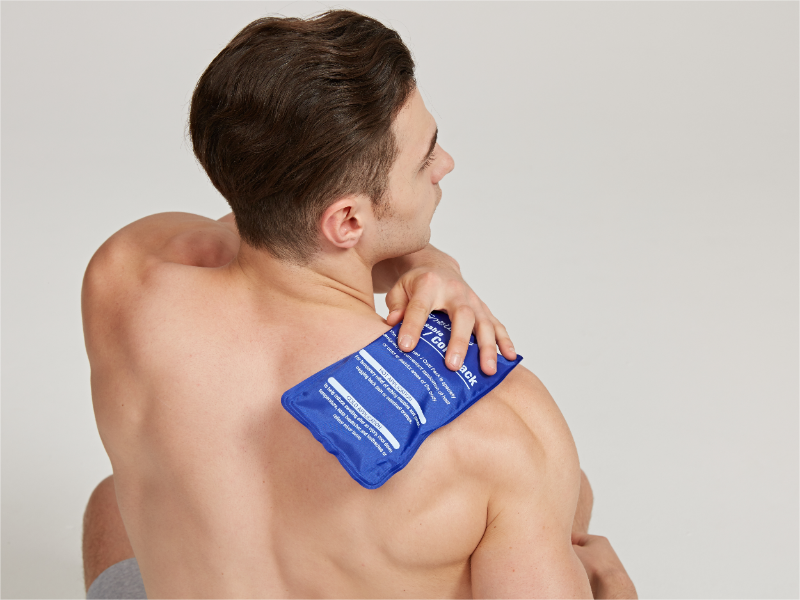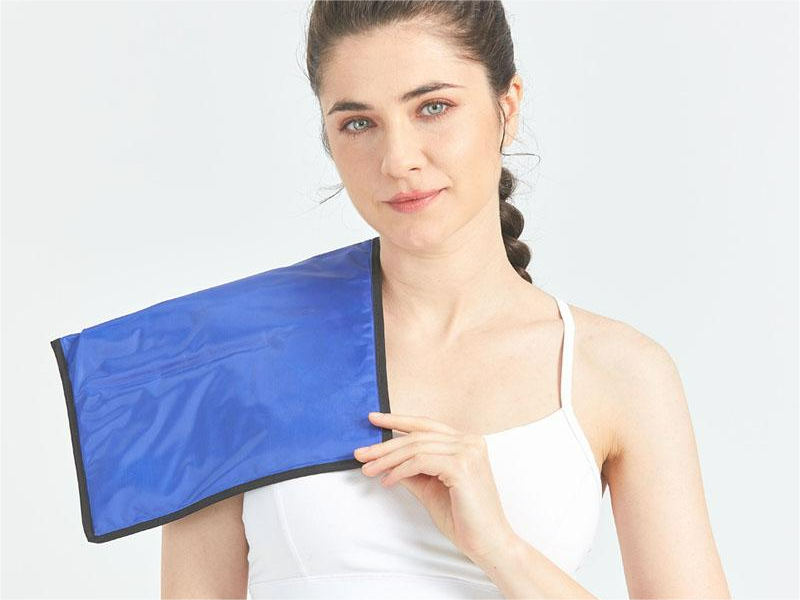
A migraine can really turn what’s usually a simple room into a harsh, almost painful place. Bright screens suddenly feel way sharper, and even chatting feels like an effort. That’s when a Migrain Cap Relief might actually come in handy, especially during those early hours when the pain first starts. A properly fitted cap can snugly cover your forehead, temples, and the back of your head with coolness that’s steady but gentle. Some of them even offer a bit of gentle compression, which can be a plus.
Dr. Merle Diamond, a well-known migraine specialist at the Diamond Headache Clinic, has mentioned that ice has been used as a migraine remedy for ages—that’s nothing new. Honestly, it’s a time-tested trick, but it’s not a magic fix and doesn’t work the same for everyone. Cold can help soothe that pounding and give your brain a bit of a break, but it doesn’t tell you what triggered the migraine in the first place. Plus, it’s definitely not a substitute for the treatments your doctor has prescribed.
When you use the cap, make sure to follow the instructions carefully. Place a thin cloth between your skin and the cold surface—no direct contact, to avoid frostbite. Try using it for a short time in a dimly lit room, then check your skin afterward. If you notice numbness, burning, strange discoloration, or if your pain gets worse, stop immediately. Keep a glass of water nearby, and instead of forcing your neck into an awkward position, rest it comfortably.
Sometimes, the little details really matter. This guide will walk you through how to pick the right cap, position it properly, cool it safely, and keep it clean. We’ll also discuss when to use it, how comfortable it might be, what materials are best, and what realistic expectations you should have. Keep in mind, evidence supporting cold therapy is limited and pretty variable from person to person. That’s something to keep in mind—what helps during one attack might not do much the next time. If your headaches become more frequent, more intense, or are different from your usual pattern, definitely reach out to a healthcare professional for advice.
A migraine cap is a wearable covering designed for temporary symptom relief. It usually combines cooling, gentle compression, or both. Cooling may dull pain and reduce the sensation of heat around the forehead. Compression can create steady pressure across the temples, eyes, and back of the head. The goal is comfort, not a cure.
The World Health Organization reports that headache disorders affect about 40% of the global population, while migraine affects more than 1 billion people worldwide. That burden matters. During an attack, place the cap over clean, dry skin and adjust it until the pressure feels even. Chill it according to its instructions, never directly against damaged skin. Try a quiet, dark room for several minutes. Small details help, such as supporting your neck and lowering screen brightness.
Evidence for cold therapy is promising but limited. The American Migraine Foundation describes cold packs as a useful self-care option for some people, not a replacement for medical treatment. A cap may feel soothing, yet tight compression can worsen discomfort or cause numbness. The fit is not always comfortable. Remove it if your skin becomes pale, painful, or unusually cold. People with circulation problems, reduced skin sensation, or frequent migraine attacks should ask a healthcare professional before use. Record the timing, pressure, and symptoms; that imperfect log may reveal whether cooling helps you or merely distracts from the pain.
Migraine affects about one in seven people worldwide, according to the World Health Organization. The Global Burden of Disease Study 2019 estimated more than one billion migraine cases globally. These figures show why safe, accessible relief matters. A cooling migraine cap may ease throbbing pain, light sensitivity, and facial heat for some users. However, it does not treat every cause of headache.
Screen your health before using one. Avoid intense cold if you have Raynaud’s disease, cold urticaria, poor circulation, reduced skin sensation, or a history of cold injury. Ask a healthcare professional before use if you are pregnant or managing a neurological condition. Place a thin cloth between your skin and the cap. Use it for a short period, then check for numbness, pale skin, burning, or worsening pain. Remove it immediately if these symptoms appear.
Keep the fit gentle. Excessive pressure can aggravate scalp tenderness. A cap should feel cool, not painfully cold. I would not rely on it alone when symptoms are unusual. Seek urgent medical care for a sudden “worst-ever” headache, weakness, confusion, fever, stiff neck, fainting, or vision loss. The WHO notes that migraine remains underdiagnosed and undertreated, so recording triggers and discussing repeated attacks with a clinician is worthwhile. Cooling can help. It is not proof of safety.
The World Health Organization reports that migraine affects about 1 in 7 people worldwide. This chart converts that estimate into percentages for easier comparison.
When using a migraine cap, follow the product instructions and protect the skin from excessive cold or pressure. Stop use if you experience numbness, skin discoloration, pain, or worsening symptoms. People with cold sensitivity, reduced skin sensation, circulation problems, or related medical conditions should seek professional advice before use. The prevalence figure describes migraine occurrence and does not measure the effectiveness of migraine caps.
Source: World Health Organization, “Headache disorders.”
Fit matters more than dramatic pressure. A migraine cap should cover the forehead, temples, and upper neck without squeezing them. The front edge should rest above the eyebrows. The side panels should touch the temples evenly. At the back, the cap should reach the neck’s upper curve. Keep your jaw relaxed. If your ears fold forward, the cap is probably too tight.
Migraine affects more than one billion people worldwide, according to the World Health Organization. The GBD 2019 study, published in The Lancet Neurology, ranked migraine as the second-leading cause of years lived with disability globally. These figures show why practical comfort matters during an attack. Cold contact may reduce discomfort for some people, while gentle compression can feel stabilizing. Evidence is not identical for everyone.
Try it while lying in a quiet, dim room. Adjust the cap slowly. A snug fit is enough. Too much pressure can increase throbbing or leave deep marks on the skin. That mistake is easy to make. Use a thin cloth barrier if the cold feels sharp. Follow the product’s timing instructions, and remove it if numbness, burning, dizziness, or worsening pain appears. Reconsider the fit after ten minutes. Head shape, hair thickness, and neck sensitivity can change the experience. When headaches become frequent, severe, or suddenly different, consult a qualified healthcare professional rather than relying on a cap alone.
Preparing the cap correctly can make cold therapy safer and more comfortable. The Global Burden of Disease Study 2019 estimated that migraine affected about 1.1 billion people worldwide. Many people try cold therapy, but personal responses vary. Follow the cap’s cooling instructions exactly. Some designs need refrigeration, while others require brief freezing. Do not guess. Overfreezing may make the material rigid, excessively cold, or uncomfortable against the forehead.
Check the cap for leaks, cracks, or hardened seams before use. Unless the instructions clearly allow direct skin contact, place a thin, clean cloth between the cap and bare skin. This barrier can reduce irritation and help prevent cold injury. The American Migraine Foundation lists cold packs as a possible self-care option, but it does not replace medical guidance. Apply the cap for the recommended period, often in short intervals, and remain awake while using it. Cold should feel soothing, not sharp.
Stop immediately if your skin becomes numb, very pale, painful, or intensely burning. Warm the area gradually; do not rub it forcefully. I have found that a cap can feel helpful at first, yet become distracting when it is too tight. That detail is easy to overlook. If headaches become more frequent, severe, or unusual, consult a qualified healthcare professional. Some “fast relief” claims sound convincing, but migraine treatment still requires individual assessment.
A migraine cap may offer fast, temporary comfort when applied in short sessions. Aim for 15–20 minutes of cooling, then remove it and let your skin rest. This limit helps reduce discomfort from excessive cold. It also makes the routine easier to monitor.
Place the cap over your forehead, temples, or the back of your neck, depending on where pressure feels strongest. The fit should feel secure, not tight. Use a thin cloth barrier if the material feels intensely cold. Sit in a quiet, dim room while the cap works. Set a timer. Do not fall asleep wearing it.
The cooling effect may soften throbbing pain, but results differ between people. Research supports cold therapy as a useful comfort measure, not a guaranteed migraine treatment. The 15–20-minute timing is common, but it is not magic. Some people may need less time. Check your skin during the session, especially if you notice numbness, burning, unusual pallor, or increased pain. Stop immediately if symptoms worsen. A common mistake is chasing stronger cold for faster relief. That can leave the skin irritated and may distract from other helpful steps, such as hydration, prescribed medicine, or rest. Frequent or severe migraines deserve medical evaluation.
| Use Stage | Recommended Action | Typical Timing | What to Monitor | Practical Reason |
|---|---|---|---|---|
| Prepare the cap | Follow the product instructions for chilling. The cap should feel cold and comfortable, not painfully icy or rigid. | Before use | Check that the surface is clean and free from ice crystals or sharp frozen areas. | A comfortable, evenly cooled cap is easier to position safely on the forehead, temples, or back of the head. |
| Begin the first session | Place the cap gently over the areas where cool pressure feels soothing. Do not tie it tightly. | Start with 5–10 minutes | Notice comfort, skin color, numbness, and whether pressure worsens symptoms. | Starting briefly allows you to assess individual tolerance before using the commonly suggested short cooling interval. |
| Use a short cooling session | Continue only while the cold remains comfortable and the skin looks normal. | Up to 15–20 minutes | Stop earlier if there is burning, intense stinging, excessive numbness, dizziness, or increasing pain. | Short applications are commonly advised because prolonged direct cold exposure may irritate skin or cause cold injury. |
| Remove and warm gradually | Take off the cap and allow the skin to return to its normal temperature naturally. Do not rub vigorously. | After each session | Look for persistent redness, pale or waxy skin, blotchy discoloration, or pain. | Gradual warming helps reduce irritation and makes it easier to identify an adverse skin response. |
| Repeat only if comfortable | If relief is temporary, wait until the skin feels normal before considering another short session. | After a break of at least 20–30 minutes | Keep the total use moderate and discontinue if symptoms or skin discomfort increase. | A break limits continuous cold exposure; individual instructions may differ, so follow the cap's safety guidance. |
| Adjust pressure and position | Use the cap as a cooling aid rather than a tight compression device. Reposition it if it presses on the eyes, ears, or neck. | Throughout use | Check for worsening throbbing, neck discomfort, eye pressure, or restricted breathing. | Some people find gentle pressure helpful, while excessive pressure can aggravate discomfort. |
| Protect sensitive skin | Consider a thin fabric barrier if the cap feels too cold or if your skin is sensitive. | As needed | Do not apply cold directly to broken, irritated, infected, or recently injured skin. | A barrier can reduce direct cold intensity and friction, although it does not eliminate the need for time limits. |
| Stop and seek advice | Stop using the cap for severe skin changes, lasting numbness, confusion, fainting, weakness, or an unusual severe headache. | Immediately when symptoms occur | Urgent symptoms require medical evaluation rather than continued cooling. | Cold therapy may provide comfort but does not diagnose or treat serious causes of headache. |
| Track the response | Record when the cap was used, session length, symptom intensity, and any skin reaction. | After use | Compare relief, discomfort, and recurrence across different sessions. | A simple record can help identify personal patterns and support discussion with a healthcare professional. |
| Safety note: Cooling comfort varies from person to person. The 15–20-minute limit is a common short-session guideline, not a universal prescription. Follow the manufacturer’s instructions and consult a healthcare professional if headaches are frequent, changing, unusually severe, or accompanied by neurological symptoms. | ||||
A migraine cap can feel most useful when you measure its effect instead of relying on memory. Before wearing it, rate your pain from 0 to 10. Note nausea, light sensitivity, and the time symptoms began. A score of 8 means severe pain, while 3 may indicate manageable discomfort. Write these details in a simple phone note.
Follow the cap’s instructions, and place a thin cloth between the cold surface and your skin if advised. Set a timer rather than wearing it continuously. Check your pain after 30 minutes, one hour, and two hours. The two-hour response target is practical, not magical. A meaningful response might be a drop from 8 to 5, easier movement, or less sensitivity to light. Record the exact change.
Keep the record honest. Maybe the cap helped, but sleep or medication also influenced the result. I would repeat the same tracking method during several attacks before judging its value. Stop if you notice burning, excessive numbness, skin discoloration, or worsening pain. Never ignore unusual neurological symptoms, a sudden extreme headache, fever, or confusion; seek urgent medical care. If your score remains high after two hours, contact a healthcare professional for individualized advice. Different migraine patterns may need different strategies.
How to Use a Migraine Cap for Fast Relief?
A migraine cap may provide cooling pressure during an attack. Place it gently over your forehead, temples, and eyes. Follow the product instructions, and avoid excessive cold against bare skin. Use a thin cloth barrier if the cap feels painfully cold. Many people prefer a quiet, dark room while wearing it. The cap can ease discomfort, but it does not treat every migraine cause. I sometimes expect quick results, yet relief may be gradual or incomplete.
Seek Medical Advice: Four or More Monthly Attacks May Need Prevention
If migraines occur four or more times monthly, schedule a medical evaluation. Frequent attacks may require preventive treatment, not only occasional relief. A clinician can review your symptoms, medications, sleep, stress, and possible triggers. Keep a simple diary with dates, pain intensity, duration, and cap use. This record can reveal patterns that memory often misses. Do not increase pain medicine without professional guidance, because frequent use can sometimes worsen headaches. Seek urgent care for a sudden severe headache, new weakness, confusion, fainting, or major vision changes.
Tips
Chill the cap before use. Do not sleep while wearing it. Remove it if your skin becomes numb, pale, or painful. Try slow breathing and steady hydration. Test shorter sessions first. The best routine may need adjustment.
It provides temporary comfort through cooling, gentle compression, or both. It is not a cure.
Place it over clean, dry skin and adjust the pressure evenly. Support your neck. Lower screen brightness and rest in a quiet, dark room.
Follow the product instructions and use a timer. Check your symptoms after 30 minutes, one hour, and two hours. Do not wear it continuously without guidance.
Rate your pain from 0 to 10 before use. Record nausea, light sensitivity, and when symptoms began. Then record each change honestly.
A drop from 8 to 5 may matter. Easier movement or less light sensitivity may also show improvement. The two-hour target is practical, not magical.
Yes, tight pressure may increase discomfort or cause numbness. Remove the cap if pain worsens. A loose fit may work better.
Stop if your skin becomes pale, painful, unusually cold, or discolored. Also stop for burning or excessive numbness. Do not push through warning signs.
People with circulation problems or reduced skin sensation should ask a healthcare professional first. Frequent migraine attacks also deserve individualized advice. The fit is not always comfortable.
Seek urgent care for a sudden extreme headache, confusion, fever, or unusual neurological symptoms. Do not assume every severe headache is a migraine.
Cooling helps some people, but evidence remains limited. Sleep, medication, or natural symptom changes may also affect results. Repeat the same tracking method before judging it.
A migraine cap may offer temporary comfort through cooling and gentle compression around the forehead, temples, and neck. This type of support is intended to ease discomfort, not replace professional diagnosis or treatment. Since migraine affects about one in seven people worldwide, safe use is important. Choose a cap that fits comfortably without restricting breathing, vision, or circulation. Chill it according to its instructions and avoid placing an extremely cold cap directly on bare skin.
For practical Migrain Cap Relief, begin with a short cooling session of about 15–20 minutes, then remove the cap and check how you feel. Record pain on a 0–10 scale before use and again within two hours to evaluate whether it helps. Stop if you experience worsening pain, numbness, skin irritation, dizziness, or unusual symptoms. If attacks occur four or more times per month, last unusually long, or interfere with daily life, consult a healthcare professional about preventive options and a personalized care plan.