




The China Top 10 Ice Pack With Belt Manufacturers market is really catching the eye of distributors, clinics, sports teams, and folks buying for home use. People are looking more than ever for reusable products that do a bit of everything—cooling, compression, and hands-free support. According to Grand View Research, the global market for cold pain relief products keeps growing, fueled by sports injuries, recovery gear, and just general home treatments. And here’s the thing: buyers now tend to compare things like material safety, how long the cold lasts, fit, and whether the product can be reused, instead of just focusing on price.
One thing to keep in mind is that many market reports don’t really separate Ice Pack With Belt products from the wider cold therapy category. That’s a bit of a limitation. So, in this ranking, we’ve looked at aspects like how much experience the factories have, their export abilities, the quality of their product testing, how adjustable the belts are, gel stability, and customer service quality. We also checked if they give clear instructions and if their product sizes are consistent. A good, comfy belt should stay stable whether it’s around a knee, shoulder, waist, or ankle. Tiny details really matter here—if the buckle or fastening strip feels flimsy, what could be a super handy product might end up just cluttering your drawer.
Dr. Gabe Mirkin, the doc who came up with the RICE method, later said, “I now believe that ice can actually delay healing.” That’s pretty eye-opening because it reminds us that ice isn’t always the answer; it should be used carefully. A belt should provide controlled, short-term cooling support—not just be a cookie-cutter fix that replaces medical advice. The manufacturers on this list each bring something different to the table—some focus on private labels, others on orthopedic design, and some on large-scale distribution. But, let’s be real: no list is perfect. Product quality can vary from batch to batch, and those factory claims should always be independently checked. This guide can be a helpful starting point for buyers or professionals looking for trustworthy Chinese suppliers, but always do your own due diligence.

What Are Ice Packs With Belts and How Are They Used?
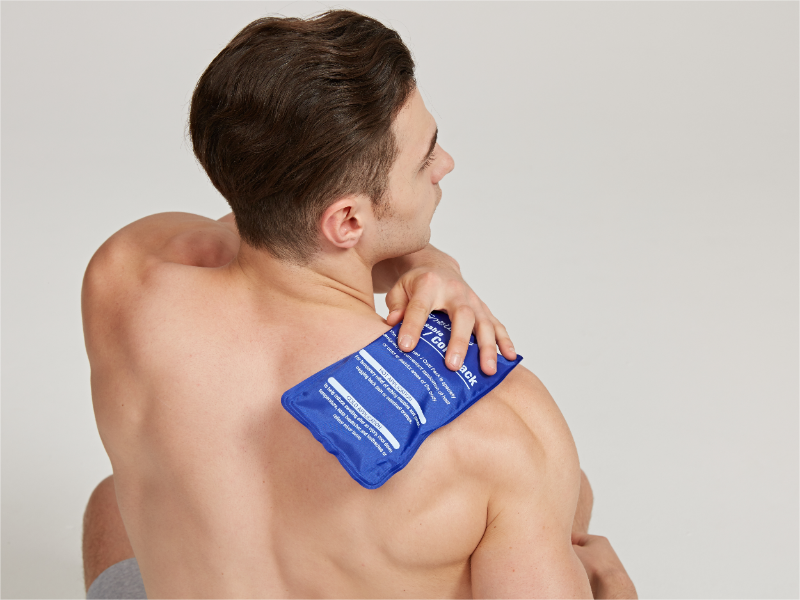
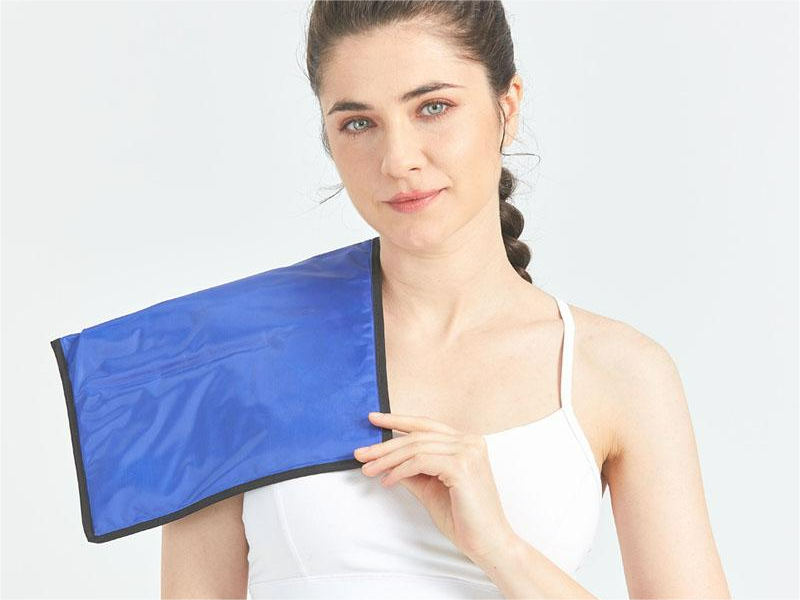
Ice packs with belts are cold-therapy packs secured around the waist, knee, shoulder, or lower back. A fabric sleeve holds a reusable gel pack against the body. The belt maintains contact while leaving both hands free. This matters after exercise, minor strains, or long periods of standing. The cold reduces local tissue temperature and may temporarily ease pain and swelling. It does not repair an injury.
A 2024 Grand View Research analysis estimated the global cold pain therapy market at about USD 1.8 billion in 2023, with continued growth expected through 2030. That demand reflects wider home-based recovery, not proof that every ice belt works equally well. In practical use, users should place a thin cloth between the pack and skin. Sessions commonly last 15 to 20 minutes, followed by a warming break. The pack should feel cold, not painfully numb.
Fit is critical. A loose belt slips during walking, while excessive compression can create discomfort or skin pressure. The American College of Sports Medicine emphasizes gradual, condition-appropriate recovery rather than relying on one treatment. That point is easy to overlook. Users with reduced sensation, circulation problems, or unexplained swelling should seek qualified medical advice before applying cold therapy. Reusable gel packs also need regular inspection. Small leaks can contaminate clothing and irritate skin. The belt helps positioning, but it cannot replace diagnosis, rehabilitation, or sensible rest.
China Top 10 Ice Pack With Belt Manufacturers - What Are Ice Packs With Belts and How Are They Used?
An ice pack with a belt is a reusable cold therapy product that combines a flexible gel pack with an adjustable strap, allowing hands-free application to areas such as the knee, shoulder, waist, elbow, ankle, or lower back.
| Manufacturer Profile | Typical Product Format | Common Target Area | Pack Material | Typical Size | Reusable Cycles | Cold Retention | Belt Adjustment | Closure Type | Common Compliance Documentation | Typical Applications | Overall Suitability |
|---|---|---|---|---|---|---|---|---|---|---|---|
| Manufacturer Profile 01 | Flexible gel pack with elastic belt | Knee and elbow | PE outer film with non-toxic gel filling | 25 × 15 cm | 300+ cycles when used as directed | Approximately 20–40 minutes per application | Approx. 70–110 cm | Hook-and-loop fastening | Material safety data, basic product testing, RoHS-related material declaration | Sports recovery, minor swelling, daily home care | ★★★★★ |
| Manufacturer Profile 02 | Wide wraparound cold therapy belt | Lower back and waist | Multi-layer TPU or PE film with gel compound | 38 × 18 cm | 300+ cycles when properly stored | Approximately 30–45 minutes | Approx. 80–130 cm | Double hook-and-loop fastening | REACH and RoHS declarations, packaging test records | Post-exercise recovery, back comfort, household first aid | ★★★★★ |
| Manufacturer Profile 03 | Contoured shoulder cold pack with strap | Shoulder and upper arm | Leak-resistant TPU film with flexible gel | 30 × 20 cm | 250+ cycles under normal use | Approximately 20–35 minutes | Approx. 75–120 cm | Adjustable hook-and-loop strap | Biocompatibility or skin-contact material information, safety test report | Shoulder strain, exercise recovery, physiotherapy support | ★★★★☆ |
| Manufacturer Profile 04 | Hot-and-cold gel pack with belt | Knee, waist, shoulder, and ankle | Heat-sealed nylon-TPU or PE laminate | 28 × 15 cm | 250+ hot/cold cycles | Approximately 20–40 minutes for cold use | Approx. 65–115 cm | Elastic strap with hook-and-loop closure | Heating and cooling instructions, material safety documentation | Cold therapy, gentle heat therapy, sports and household use | ★★★★★ |
| Manufacturer Profile 05 | Large reusable ice gel wrap | Thigh, calf, knee, and lower back | Heavy-duty TPU outer layer with gel filling | 42 × 20 cm | 300+ cycles with leak-free handling | Approximately 30–45 minutes | Approx. 90–145 cm | Wide hook-and-loop belt | Factory quality inspection, leak testing, REACH declaration | Larger muscle groups, post-training recovery, rehabilitation | ★★★★★ |
| Manufacturer Profile 06 | Compact cold compress with removable belt | Wrist, ankle, elbow, and small joints | Flexible PE film with water-based gel | 20 × 12 cm | 200+ cycles under recommended conditions | Approximately 15–30 minutes | Approx. 50–90 cm | Removable hook-and-loop strap | Gel composition information, packaging and tensile-strength testing | Travel kits, first-aid kits, minor sports injuries | ★★★★☆ |
| Manufacturer Profile 07 | Breathable fabric-covered gel belt | Waist, abdomen, and lower back | TPU gel pack with polyester or neoprene cover | 35 × 17 cm | 300+ cycles with washable cover care | Approximately 25–45 minutes | Approx. 75–135 cm | Elasticated belt with hook-and-loop closure | Fabric composition, colorfastness, and material safety documentation | Longer-wear comfort, office use, home recovery | ★★★★★ |
| Manufacturer Profile 08 | Reusable cold wrap for clinical supply | Knee, shoulder, and limb areas | Medical-grade TPU or PE outer film | 30 × 18 cm | 300+ cycles subject to inspection | Approximately 20–40 minutes | Approx. 70–125 cm | Reinforced hook-and-loop fastening | ISO 13485-related quality records, risk assessment, product testing | Clinics, rehabilitation centers, sports medicine | ★★★★★ |
| Manufacturer Profile 09 | Compression-style ice therapy wrap | Knee and leg | Gel pack with neoprene or elastic textile sleeve | 32 × 19 cm | 250+ cycles when not over-compressed | Approximately 20–35 minutes | Approx. 65–120 cm | Integrated compression straps | Textile safety testing, seam-strength testing, material declarations | Exercise recovery, mobility support, home physiotherapy | ★★★★☆ |
| Manufacturer Profile 10 | Customizable private-label ice pack belt | Multiple body areas according to mold | PE, TPU, or nylon-TPU laminate selected by specification | 20–45 cm length range | 200–300+ cycles depending on construction | Approximately 20–45 minutes | Approx. 50–145 cm | Custom strap, buckle, or hook-and-loop system | Custom inspection plan, leak testing, packaging validation, material declarations | OEM projects, promotional kits, retail and healthcare packaging | ★★★★★ |
Note: The profiles above are anonymized industry comparisons. Actual dimensions, cooling duration, reusable life, materials, and compliance documents vary by product design and should be confirmed through supplier specifications and sample testing. Ice packs should be wrapped in a cloth barrier and used according to the supplied instructions.
FAQS
Many factories offer flexible customization, practical production experience, and competitive pricing. One facility may produce packs, belts, packaging, and accessories. This can simplify communication.
Common options include gel packs, instant cold packs, crushed-ice sleeves, and phase-change packs. Gel packs stay flexible after chilling. Phase-change designs may maintain steadier temperatures but usually cost more.
Belts commonly use nylon, neoprene, or elastic fabric. Sealed polyethylene and thermoplastic polyurethane can improve leak resistance. Check odor, seam strength, and skin-contact suitability.
A 10 × 15 cm pack may suit smaller joints. A 15 × 25 cm pack can cover the lower back. Measure the treatment area before ordering.
Look for removable covers, adjustable straps, insulated layers, and hot-cold use. These features can improve comfort during repeated household use. More features are not always better.
Request samples, material specifications, written standards, and inspection records. Test sealing, stitching, gel distribution, closures, and surface temperature. Test it repeatedly.
Many basic guidelines suggest short applications, often around 20 minutes, with a cloth barrier. Body movement and belt tension can change the actual cooling time. Advertised timing may disappoint.
Compare communication speed, export experience, production schedules, and inspection support. Do not choose only the lowest quotation. A quick reply does not prove reliable production.
Many factories support both small trial orders and larger projects. Buyers may request custom dimensions, packaging, printing, or private labeling. Confirm minimum quantities early.
Some belts may become stiff, while buckles or seams may weaken. Request freeze-thaw and buckle-fatigue testing. A sample can perform well, but mass production still needs monitoring.
Conclusion
This guide presents the top 10 Chinese Ice Pack With Belt manufacturers and explains how their products support targeted cold therapy, injury recovery, sports care, and everyday comfort. It covers how belt-equipped ice packs are worn, how adjustable designs improve stability, and how different cooling formats, materials, sizes, and reusable constructions meet varied user needs. The comparison focuses on practical factors such as product performance, comfort, durability, and ease of use.
Readers will also learn how manufacturers are evaluated through production capabilities, safety testing, quality-control procedures, and compliance with applicable export requirements. The guide discusses customization options, including colors, packaging, dimensions, and private-label development, as well as minimum order quantities, pricing considerations, lead times, and international shipping support. Together, these points provide a clear framework for buyers seeking reliable suppliers and suitable Ice Pack With Belt products for healthcare, fitness, retail, and distribution markets.
Related Posts
-

How to Choose the Best Reusable Ice Pack for Your Needs
-

How to Choose the Best Small Ice Packs for Fast Cooling and Convenience
-

Customized Ice Pack Tips for Effective Pain Relief?
-

Top Cold And Hot Pack Suppliers for Global Buyers?
-

Top 10 Benefits of Using Ice Pack Gel for Pain Relief?
-

Top China Ice Pack Reusable Options for Your Everyday Needs?

Nathaniel
Cold Pack, Reusable Hot And Cold Gel Ice Packs, Hot Cold Gel Pack, Cold Pack Gel, Migrain Hat, Ice Pack, Top Topic
Contact
-
No.165, Xincui Road, Huaqiao town, Kunshan, China