• facebook
  • linkedin
  • twitter
  • youtube
Search
0%

Body Ice Packs are pretty straightforward and portable tools that people use to cool down sore or swollen spots after a workout, minor strains, or even everyday bumps. They usually come with soft covers filled with gel, water, or phase-change materials. When you pop one in the freezer and then apply it, it pulls heat away from your skin and the tissues underneath. This causes blood vessels to tighten up a bit, which can help reduce swelling and dull the pain. It's a pretty local effect—practical, but short-lived.

Dr. Gabe Mirkin, a sports medicine doc who helped popularize the RICE method (Rest, Ice, Compression, Elevation), has recently said, “I now believe that ice can actually slow down the healing process.” His point is a good reminder that cold therapy isn’t always the best solution for every injury. Sure, Body Ice Packs might make you feel better temporarily, but they don’t actually fix torn tissues or tell you what’s really going on with an injury. That’s an important distinction. And the idea that “more ice is always better” is not something you should blindly believe either.

Getting started with ice packs is pretty simple—start by placing one over a thin cloth on the affected area, and make sure to check your skin frequently. Remove it if you notice numbness, burning sensations, or any weird discoloration. Usually, sticking to about 10 to 20-minute sessions works well, but everyone’s different, so listen to your body. And a big no-no: never fall asleep with an ice pack still on you. If you have circulation issues, nerve problems, or complex injuries, it’s safest to chat with a healthcare professional before using one.

This article dives into how Body Ice Packs work to transfer heat, how they might affect pain perception, and how they fit into a solid recovery routine. We’ll also look at different types like gel packs, reusable models, and flexible wraps. While the evidence out there can help guide you, it’s not perfect. Just because a cold pack makes something feel better doesn’t automatically mean your injury is healing—comfort alone isn’t proof of recovery.

What Are Body Ice Packs and How Do They Work?

Definition and Purpose of Body Ice Packs

Body ice packs are reusable or single-use cold packs designed for larger areas such as the back, shoulder, abdomen, or thigh. They contain cooling gel, liquid, or phase-changing material inside a sealed pouch. Their purpose is to reduce surface temperature and provide temporary relief after minor strains, exercise, swelling, or some medical procedures.

Cold causes nearby blood vessels to narrow briefly. This may limit fluid movement into irritated tissue and slow pain signals reaching the brain. The effect is local, not a cure. It does not repair a torn ligament, remove an infection, or replace professional assessment. That distinction is easy to miss.

In practical care, a thin cloth barrier helps protect skin from cold injury. Apply the pack for about 10 to 20 minutes, then let the skin warm naturally. Check the area often. Stop if the skin becomes unusually pale, numb, hard, or painful. Do not place a pack over broken skin, reduced sensation, or poor circulation without medical guidance. Children and people with nerve or blood vessel conditions may need extra care. The advice sounds simple, yet timing is often overlooked. Longer is not automatically better. Persistent swelling, severe pain, weakness, or discoloration requires assessment by a qualified clinician.

Main Types and Materials of Body Ice Packs

Body ice packs are portable tools that draw heat away from sore or swollen areas. Their effect is simple: colder material absorbs warmth from the skin, reducing local blood flow and dulling discomfort. The pack should feel cold, not painfully sharp. A thin cloth barrier protects the skin during use.

Reusable gel packs are common because they stay flexible after freezing. Their soft polymer gel can wrap around a knee, shoulder, or ankle. Water-based packs freeze harder and feel more rigid. They may suit flat areas, but they can press uncomfortably against joints.

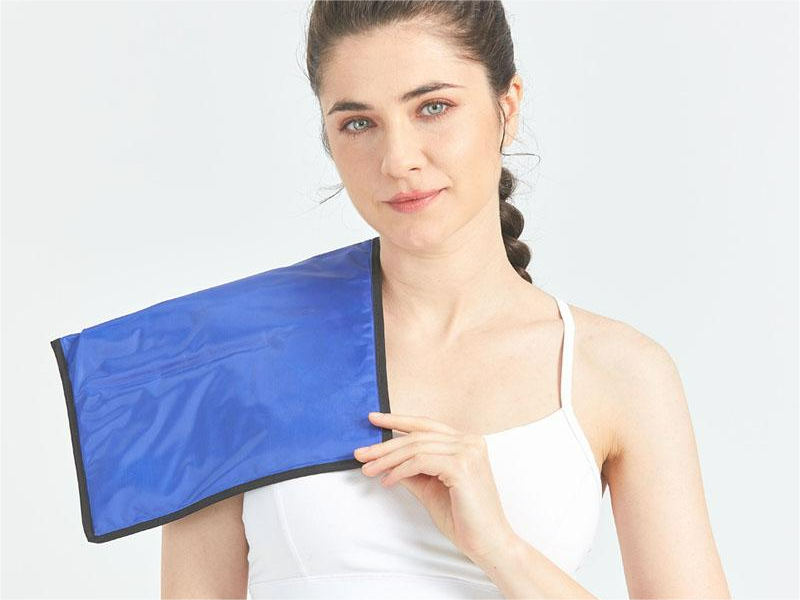
Flexible wraps often combine gel with fabric, foam, or an elastic outer layer. These materials improve comfort and help keep the pack in place.

Instant cold packs use separate inner materials that mix when squeezed. They are convenient when a freezer is unavailable, though they usually cannot be reused. Some packs contain phase-change materials, which absorb heat while changing from solid to liquid. That design may provide steadier cooling, but performance varies with room temperature and insulation. In practical use, fifteen to twenty minutes is usually enough. Check the skin regularly. Numbness is a warning, not proof of better treatment. No pack is perfect; comfort, flexibility, and cooling time often compete.

How Body Ice Packs Transfer Cold to the Body

Body ice packs work through direct heat transfer, not by “pulling out” inflammation. The pack is colder than the skin, so heat moves from the body into the pack by conduction. This cools surface tissues first. Deeper muscles may change less because skin, fat, and muscle slow the transfer.

Cold also narrows nearby blood vessels, a response called vasoconstriction. It can reduce local blood flow and slow sensory nerve conduction, which may lessen pain signals. A review in the Journal of Athletic Training reported that cryotherapy commonly reduces skin temperature and nerve conduction velocity, although results vary with pack temperature, contact time, and tissue thickness (Bleakley et al., 2012). The American College of Sports Medicine also describes cooling as a short-term tool for pain and swelling management, not a complete treatment (ACSM, 2016).

The details matter. A cloth barrier spreads the cold and lowers the risk of skin damage. Check the skin often. It should feel cold, not sharply painful, numb, pale, or burning. Many clinical protocols use brief applications, often around 10 to 20 minutes, but the best duration is not universal. That remains an important limitation. A thick pack may feel powerful while cooling only the surface. A 2021 systematic review in Sports Medicine also noted inconsistent evidence for recovery benefits after exercise, so “more cold” is not automatically better. Short-term comfort is easier to achieve than proven tissue recovery.

When and Where to Use a Body Ice Pack

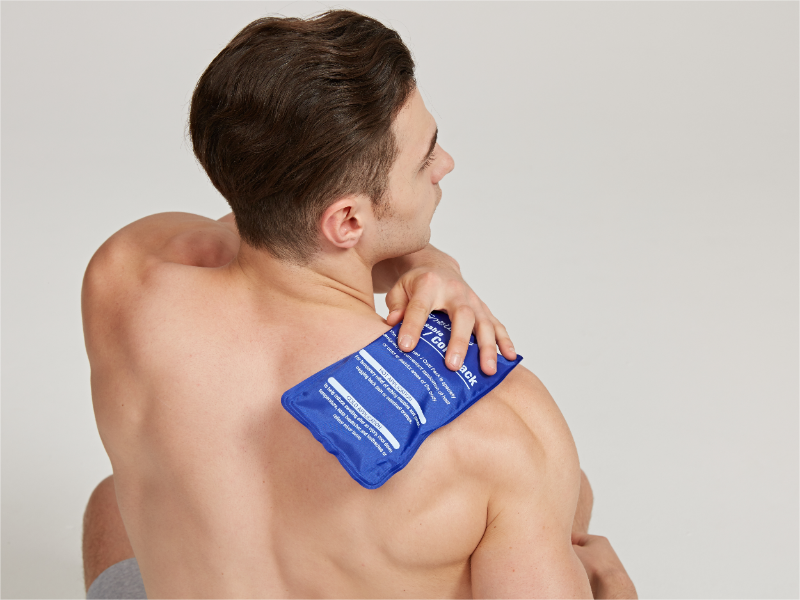
A body ice pack is a flexible, chilled pouch designed to cool larger areas, such as the back, shoulder, thigh, or abdomen. It works by lowering skin temperature and temporarily reducing pain signals. Cooling may also limit swelling after a minor sprain, bump, or muscle strain.

Use it soon after an injury, especially during the first 24 to 48 hours. Place the pack over the swollen area, with a thin towel between the pack and your skin. Keep it there for about 15 to 20 minutes, then allow the skin to return to normal temperature. Check the skin halfway through. It should feel cool, not painfully numb, pale, or burning. A shorter session is safer for children or people with sensitive skin.

Location matters. A shoulder pack should rest over the painful muscle, while a knee pack should cover the front and sides without pressing tightly. Do not apply ice to broken skin, areas with poor circulation, or a numb body part. People with diabetes, circulation problems, or reduced sensation should ask a healthcare professional before using one. Do not sleep with an ice pack in place. The timing is not always perfect; if swelling or pain worsens, stop cooling and seek medical advice.

What Are Body Ice Packs and How Do They Work? - When and Where to Use a Body Ice Pack

Data Dimension Key Information When to Use Important Safety Notes
What it is A flexible cold therapy item filled with gel, water, or another cooling material and placed on the body. For short-term relief of pain, swelling, and localized heat. It supports symptom relief but does not treat the underlying cause of an injury.
How it works Cold narrows nearby blood vessels and temporarily reduces nerve signaling, which can lessen pain and limit swelling. Most useful soon after a minor soft-tissue injury or activity that causes localized soreness. Reduced sensation may hide excessive cold exposure, so check the skin regularly.
Reusable gel pack A flexible pack cooled in a freezer or refrigerator and reused after returning it to the recommended storage condition. Knees, shoulders, ankles, backs, and other broad or contoured areas. Follow the product instructions; do not use a damaged or leaking pack.
Ice-filled bag A waterproof bag containing crushed or cubed ice that conforms well to the body. Short applications on areas such as the ankle, wrist, or knee. Wrap it in a thin, dry cloth to reduce the risk of cold injury and prevent moisture on the skin.
Instant cold pack A single-use pack that becomes cold after its internal components are activated. Travel, sports kits, first-aid situations, or locations without freezer access. Do not cut open, swallow the contents, or apply the pack directly to broken skin.
Common application areas Ankle, knee, wrist, elbow, shoulder, lower back, forehead, and other localized areas. Use where discomfort or swelling is localized and the pack can rest comfortably without restricting circulation. Avoid placing it over the front or sides of the neck, directly over the eyes, or on areas with poor sensation.
Typical session length A common general approach is about 10–20 minutes per session, depending on the situation and product instructions. Repeat only after the skin has returned to normal temperature and sensation. Stop immediately if the skin becomes very pale, bluish, blotchy, painful, numb, or intensely burning.
Protective barrier A thin cloth or towel placed between the cold pack and the skin helps moderate the cold. Use for every application, especially when the pack has been stored in a freezer. Do not secure the pack so tightly that it causes pressure, tingling, or changes in skin color.
Best timing Cold therapy is generally most helpful during the early phase of a minor injury or after an activity that triggers acute soreness. Apply when swelling, warmth, or pain is present and the skin is intact. Persistent or worsening pain should be assessed by a qualified healthcare professional.
Avoid or seek advice first Extra caution is needed with poor circulation, reduced sensation, cold sensitivity, or conditions affecting the skin. Ask a healthcare professional before use if any relevant medical condition or medication may affect circulation or sensation. Do not apply to open wounds, infected skin, or areas with impaired circulation unless specifically advised.
When to seek medical care Severe pain, major swelling, deformity, inability to bear weight, spreading redness, or symptoms that do not improve require evaluation. Seek prompt care after a serious injury or if symptoms are accompanied by fever, weakness, or loss of movement. An ice pack should not delay emergency care for suspected fractures, dislocations, or serious illness.

Safe Application Times and Temperature Guidelines

Body ice packs are flexible cold packs placed over sore or swollen areas. They transfer heat from the skin into the pack. This may reduce local blood flow, pain signals, and tissue metabolism for a short period.

Temperature matters more than extreme cold. Clinical guidance from the National Athletic Trainers’ Association commonly supports applications lasting about 10–20 minutes. Many physical therapy protocols use a pack temperature near 10–15°C, rather than placing frozen material directly on skin. A thin, damp towel can provide a safer barrier. The skin should feel cool, not painfully numb, burning, or sharply pale. Remove the pack immediately if these signs appear. Do not sleep with it attached.

Tips: Check the skin after five minutes. Keep a simple timer nearby. Let the area return to its normal color and feeling before another session. A 2021 review in the Journal of Athletic Training noted that cooling effects vary with tissue depth, pack temperature, and application time. That finding matters: one fixed rule cannot fit every body.

People with reduced sensation, circulation problems, or cold sensitivity should seek professional advice first. The American College of Sports Medicine also emphasizes monitoring the person, not only the clock. That is easy to overlook. Longer exposure may feel more powerful, but it can increase the risk of cold injury without improving recovery. Evidence remains mixed for faster healing, so ice should support comfort and movement, not replace medical assessment.

Benefits, Risks, and Possible Side Effects

Body ice packs are flexible containers filled with frozen gel or ice. They cool the skin and tissues beneath it. This cooling narrows local blood vessels and may slow nerve signals, reducing pain and swelling after minor injuries. Place a thin towel between the pack and skin. Use it for 10–20 minutes, then allow the skin to return to normal temperature.

The benefits are practical, but not unlimited. A systematic review in Sports Medicine reported that cold-water immersion may reduce perceived muscle soreness for 24–96 hours after strenuous exercise. However, the evidence quality was low, and results varied between studies. A Cochrane review of cryotherapy after knee replacement also described uncertain effects on pain, swelling, and mobility. Cold can comfort an injury without correcting its cause.

Risks increase with longer exposure. Skin may become pale, numb, blotchy, or unusually painful. These are warning signs. Remove the pack immediately. Direct contact can cause cold burns, and excessive cooling may delay normal tissue recovery. People with poor circulation, reduced sensation, diabetes, or cold-sensitive conditions should seek medical advice first. Personal experience can mislead; numbness may feel helpful while tissue damage develops quietly. Never sleep with an ice pack attached.

Cleaning, Storage, and Replacement Considerations

What Are Body Ice Packs and How Do They Work?

Cleaning, Storage, and Replacement Considerations

Reusable body ice packs need careful cleaning after every contact with skin. Wipe the outer surface with mild soap and water. Dry it completely before storage. Avoid soaking packs with fabric covers, sealed seams, or valves. Moisture trapped inside a cover can create unpleasant odors and encourage microbial growth. The World Health Organization reported that 7 in 100 acute-care patients in high-income countries acquire at least one healthcare-associated infection. That figure does not measure ice-pack contamination, but it shows why shared cooling equipment deserves attention. Source: WHO Global Report on Infection Prevention and Control, 2022.

Use a separate pack for broken skin unless a qualified clinician approves otherwise. Disinfectants may weaken plastic, seams, or printed surfaces, so follow the product’s care instructions. I have seen people return a damp pack directly to a freezer. That shortcut is easy to repeat, yet it can hide cracks and transfer residue. Storage should be clean, dry, and away from sharp objects. Do not freeze a pack unless its instructions allow it. Check it before each use. Replace it after leakage, swelling, a damaged seam, persistent odor, or uneven cooling. There is no universal replacement schedule. The U.S. Centers for Disease Control and Prevention estimates that about 1 in 31 hospital patients has a healthcare-associated infection on any given day. That statistic supports disciplined handling, although it cannot predict one pack’s service life.

FAQS

How does a body ice pack cool the body?

Heat moves from warmer skin into the colder pack through direct contact. It does not “pull out” inflammation. Surface tissues cool first. Deeper muscles change less because fat and muscle slow heat transfer.

What effects can cold have on pain and swelling?

Cold can narrow nearby blood vessels temporarily. It may reduce local blood flow and slow nerve signaling. This can lessen pain signals and swelling for a short time. Results differ between people.

How long should an ice pack usually stay in place?

Many clinical protocols use about 10 to 20 minutes. Check the skin after five minutes. Use a simple timer. Longer exposure is not automatically better.

What temperature is generally suitable?

Many therapy protocols use packs near 10–15°C. Avoid placing frozen material directly on bare skin. A thin, damp towel can spread the cold more safely.

What should the skin feel like during cooling?

The skin should feel cold and manageable. It should not burn, sharply hurt, become numb, or turn unusually pale. Remove the pack immediately if these signs appear.

Can I sleep while wearing an ice pack?

No. Do not sleep with an ice pack attached. You may miss warning signs, such as burning or skin discoloration. Let the area return to normal feeling first.

Does a stronger or colder pack improve recovery?

Not necessarily. A thick pack may feel powerful while cooling mainly the surface. Evidence for faster exercise recovery remains inconsistent. More cold may increase injury risk without adding benefit.

Who should seek advice before using cold therapy?

People with reduced sensation, circulation problems, or cold sensitivity should seek professional advice first. Monitoring the person matters more than following a timer alone. This guidance is useful, but imperfect.

Conclusion

Body Ice Packs are reusable or single-use cooling products designed to help reduce localized pain, swelling, inflammation, and heat after exercise or minor injuries. They may contain gel, water-based materials, or other flexible cooling substances enclosed in a durable fabric or plastic cover. Common types include flexible gel packs, instant cold packs, wraparound packs, and packs shaped for specific body areas. They transfer cold through direct contact, drawing heat away from the skin and underlying tissues while temporarily reducing blood flow and nerve activity in the treated area.

A Body Ice Pack can be used on areas such as the knee, shoulder, back, ankle, or forehead, depending on the situation. It should be wrapped in a thin cloth and applied for a limited period, commonly about 10–20 minutes at a time, with breaks between applications. Avoid placing it directly on broken skin or using it while sleeping. Stop if numbness, unusual pain, skin discoloration, or irritation develops. After use, clean and dry the pack, store it according to its material, and replace it if leaking, damaged, or no longer cooling evenly.

Blog Tags:

Oliver

Oliver

Oliver is a dedicated professional marketing specialist at Kunshan Topgel Industry Co., Ltd., where he leverages his extensive knowledge of high-quality gel pack products to drive the company's growth. With a strong focus on innovation and customer satisfaction, Oliver plays a key role in......
Previous 2026 Best Migraine Relief Hat for Wholesale Buyers