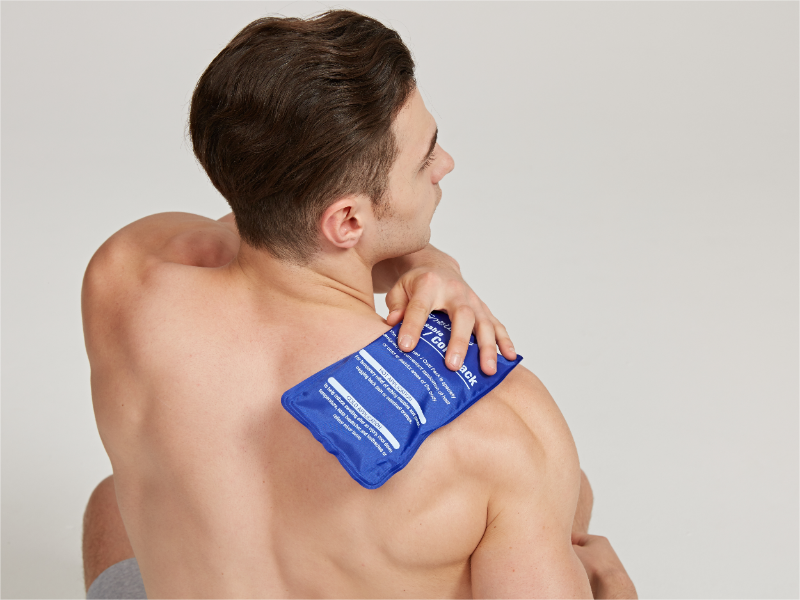
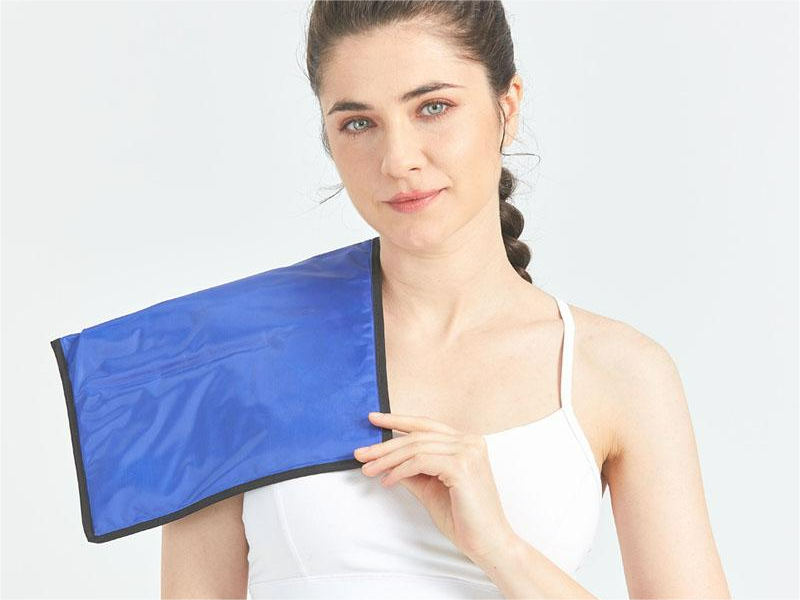
When it comes to recovering from injuries or managing pain, ice packs for cold therapy have really become go-to tools. Dr. Emily Carter, who's pretty much an expert in physical rehab, often says, *“Cold therapy can really cut down recovery time.”* So, getting a good grasp on how to use these ice packs properly is pretty important, whether you're a patient or a pro.
A lot of athletes swear by ice packs to help soothe pain and keep swelling in check. The cold numbs things a bit and also slows down blood flow to the hurt spot. That’s not just good for injuries—some even use it as a kind of preventative measure. But here’s the thing—if you don’t use them right, you might end up doing more harm than good. Misusing ice packs can cause skin damage or just plain ineffective results.
Overall, ice packs are super helpful, but you gotta know how to use them properly. Keep an eye on how long you’re applying it so you don’t risk frostbite, and picking the right type of ice pack makes a big difference too. Once you’re aware of these little details, you’ll not only get better results but also stay safe during your cold therapy sessions.

Benefits of Cold Therapy and Its Applications
Cold therapy, or cryotherapy, has gained attention for its numerous benefits in pain management and rehabilitation. Ice packs, as a primary method of cold therapy, provide effective relief for various conditions. Research indicates that applying cold can reduce inflammation and decrease pain perception. A study published in the Journal of Athletic Training found that cold therapy can improve recovery times in athletes by 50%.
Athletes often face muscle strains and joint injuries. Cold therapy is particularly useful here. It numbs the area, providing immediate comfort and preventing further swelling. Applying ice packs can also restrict blood flow to injured tissues, limiting the accumulation of fluids. This process is key for post-surgical recovery. However, individuals must be cautious about exposure duration to avoid skin damage.
While cold therapy offers significant benefits, it may not suit everyone. Some individuals may experience increased pain from cold exposure, especially those with certain circulatory conditions. It’s essential to consult a healthcare provider before starting any treatment. Kelly et al. (2022) noted that personalized approaches yield better outcomes in recovery. So, assessing individual response is critical for improving long-term benefits.
Overview of Ice Packs: Types and Materials
Ice packs are a popular choice for cold therapy, offering effective relief for injuries and inflammation. There are several types of ice packs available, each made from various materials. Gel packs, for instance, contain a soothing gel that remains pliable even when frozen. They conform easily to body contours, promoting more efficient cooling. A study by the Journal of Athletic Training noted that gel packs can effectively lower surface temperatures in therapy applications.
Another category is the instant ice pack, which activates when squeezed. These packs are convenient for on-the-go use, providing immediate cooling. They are typically made from a plastic outer layer filled with a chemical mixture that achieves a low temperature on activation. According to research published in the Journal of Emergency Medicine, instant ice packs can reduce pain and swelling effectively in acute injury scenarios.
While many users benefit from ice packs, they are not without their challenges. They may not maintain consistent cooling for long durations. Users must also be cautious to prevent skin damage. Proper application guidelines recommend using a protective cloth barrier to minimize frostbite risks. Understanding different types of ice packs allows individuals to make informed choices about their cold therapy needs.
How Ice Packs Work: The Science Behind Cold Therapy
Ice packs are widely used for cold therapy due to their effectiveness in reducing pain and swelling. Understanding how ice packs work enhances their benefits. When applied to the skin, the cold temperature constricts blood vessels. This process, known as vasoconstriction, decreases blood flow to the injured area, which helps minimize inflammation.
The cooling sensation also numbs nerve endings, alleviating pain. Ice packs are particularly useful after sports injuries or surgical procedures. It's essential to apply them correctly. A common mistake is placing ice directly on the skin. To avoid frostbite, always wrap the pack in a cloth.
Tips: Apply the ice pack for 15-20 minutes at a time. Take breaks to allow the skin to warm up. Additionally, don't use ice packs if you have circulatory problems. Monitor your skin closely for any adverse reactions. Cold therapy can bring relief, but it's crucial to use it wisely.
Best Practices for Using Ice Packs Effectively
Using ice packs for cold therapy can provide essential relief for injuries, inflammation, and soreness. However, effectiveness lies in proper usage. Start by applying ice packs to the affected area for about 15 to 20 minutes. Beyond this, skin can become too cold, which may cause damage. Always check the skin for any redness or irritation.
Wrap ice packs in a thin towel to create a barrier. This reduces the risk of frostbite. Alternate between ice therapy and heat for optimal results, as each serves a different purpose. During the first 48 hours of an injury, focus on cold therapy. After that, consider transitioning to heat to promote blood flow.
Timing plays a crucial role. Be mindful of how often you apply ice packs. Applying them too frequently can hinder healing instead of helping it. Finally, reflect on your body's response. Are you experiencing increased pain or discomfort? Adjusting therapy techniques might be necessary for better recovery.
Safety Considerations and Precautions with Ice Packs
Using ice packs for cold therapy can offer significant benefits. However, safety considerations are crucial to avoid adverse effects. According to the American Physical Therapy Association, improper use of ice packs can lead to skin damage or frostbite. It's vital to limit the application time to 15-20 minutes. This helps prevent any potential harm while still delivering effective relief for inflammation.
When using ice packs, always incorporate a barrier. Placing a towel between the ice pack and skin is a simple yet effective method. This barrier reduces direct contact, minimizing risks. Additionally, monitor the skin condition during use. A slight redness is normal, but persistent numbness or severe pain warrants immediate removal of the ice pack. The Mayo Clinic emphasizes monitoring these symptoms for safe usage. Adapting practices based on individual sensitivity is essential for effective cold therapy.
Keep in mind that not everyone responds the same way to cold therapy. Individual factors such as skin sensitivity and circulation can play a role. Consulting a healthcare professional before starting cold therapy is wise, especially for those with underlying health conditions. Balancing benefits with safety can enhance the experience and effectiveness of cold therapy.
Common Misconceptions About Cold Therapy
Cold therapy is often misunderstood. Many think it only benefits athletes recovering from injuries. However, its applications extend to everyday scenarios. For example, anyone with chronic pain can find relief through cold therapy. Ice packs can reduce inflammation and ease discomfort. Yet, not all injuries benefit from cold treatment. Some conditions may worsen with cold exposure.
Another common misconception is that cold therapy is only effective immediately after an injury. In reality, applying cold can help in long-term pain management. Proper usage is essential. Applying an ice pack for too long can lead to skin damage. It's recommended to use it for 15-20 minutes, allowing breaks in between.
Some people fear that cold therapy can cause stiffness, leading to further problems. While prolonged exposure without breaks may bring discomfort, when used correctly, ice packs can aid mobility. Listening to your body is crucial. Understanding these nuances can change how you perceive cold therapy.
Benefits of Cold Therapy Using Ice Packs
Ice packs are widely used for cold therapy, providing significant benefits such as pain relief, swelling reduction, inflammation control, and muscle recovery. This bar chart illustrates the effectiveness of ice packs in these areas, demonstrating their importance in various therapeutic applications.
Alternatives to Ice Packs for Cold Therapy Applications
Cold therapy is essential for reducing inflammation and managing pain. While ice packs are popular, there are some effective alternatives. These options can provide similar benefits and may be more accessible.
One alternative is a bag of frozen vegetables. They mold to your body shape, offering targeted relief. Just be cautious not to apply them directly to the skin. Use a cloth barrier to avoid frostbite. This method also encourages creative repurposing of leftover vegetables.
Another option is gel cold packs. They are reusable and often come in various shapes. They can maintain their temperature longer than ice, providing extended relief. Some even have a soothing lavender scent, enhancing the experience. Ensure you follow usage instructions for maximum effectiveness.
Tips: Always limit cold therapy to 15-20 minutes. This duration minimizes skin damage. It's essential to listen to your body. If you notice excessive discomfort, stop immediately. Consider alternating between heat and cold for improved blood flow and faster recovery.
Why Choose Ice Packs For Cold Therapy Benefits and Usage? - Alternatives to Ice Packs for Cold Therapy Applications
| Benefits of Ice Packs |
Usage |
Alternatives |
Considerations |
| Reduces pain and swelling |
Apply for 15-20 minutes every hour as needed |
Gel packs, frozen vegetables, ice towels |
Ensure barrier is used to prevent frostbite |
| Speeds up recovery |
Ideal for acute injuries |
Cold packs, cryo cuffs |
Not suited for certain conditions like circulatory issues |
| Numbs sore areas |
Use after exercising or activities |
Cold compresses, ice baths |
Monitor skin condition during use |
| Decreases inflammation |
Effective for muscle soreness |
Chilled gels, ice packs with straps |
Keep in mind duration of application |
FAQS
: Ice packs provide cold therapy for injuries, inflammation, and soreness.
Use ice packs for 15 to 20 minutes to avoid skin damage.
No, always wrap ice packs in a thin towel to prevent frostbite.
Instant ice packs are convenient but may not maintain cooling for long periods.
Monitor your skin for redness or irritation to assess if therapy is effective.
If pain increases, consider adjusting your technique or stopping therapy altogether.
No, individuals with certain health conditions should consult a healthcare professional first.
Ice therapy reduces pain and swelling; heat therapy enhances blood flow after 48 hours.
Yes, applying ice too often can hinder healing and cause discomfort.
Reflect on your response, as individual sensitivity may require adjusted techniques.
Conclusion
Ice packs are an essential tool for cold therapy, offering numerous benefits such as reducing inflammation, alleviating pain, and aiding in recovery from injuries. They come in various types and materials, designed to suit different needs and preferences. Understanding how ice packs work involves recognizing the science behind cold therapy, which helps to constrict blood vessels and reduce swelling.
To maximize effectiveness, it is crucial to follow best practices for usage, including proper application times and techniques. Moreover, safety considerations must be taken into account, such as avoiding direct skin contact to prevent frostbite. Addressing common misconceptions about cold therapy can enhance its effectiveness, while alternatives to ice packs may also provide relief for those who cannot use traditional ice therapy methods. Ultimately, choosing an ice pack for cold therapy can significantly contribute to healing and comfort.