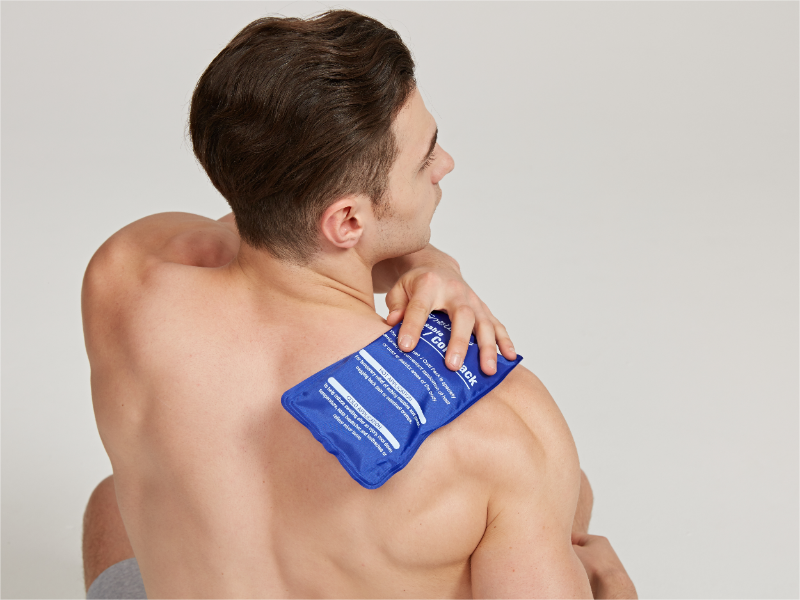
When it comes to the global market, picking out the right Cold Pack Gel can honestly feel pretty overwhelming for buyers. With so many options out there, it’s really important to understand what features matter most. These gels aren’t just for one thing—they’re used for everything from helping injuries heal to relaxing sore muscles. It’s kind of a lot to consider!
So, when you're shopping for a Cold Pack Gel, keep an eye on how well it holds its temperature and whether it stays flexible. Not all gels behave the same way under different conditions, and some brands just seem more reliable than others. Checking out customer reviews can actually give you some good clues about potential issues—trust me, it’s worth a read.
Plus, how the gel is applied really matters too. Some come in handy pouches that you just squeeze or press onto your spot, while others need to be wrapped around with a band or something. It’s all about what suits your needs best.
And don’t forget, sourcing matters a lot. Not every manufacturer follows safety standards or offers high-quality products. So, it’s smart to be cautious and make sure what you’re buying is certified safe and reliable. Getting in touch with the makers directly can sometimes give you a better sense of what you’re really getting—more than what you find online.
All in all, choosing the right Cold Pack Gel should really match what you need and expect from it. Taking a bit of time to research and compare makes a big difference—in the end, you’ll get something that actually works for you.
Cold pack gels have become increasingly popular for pain relief and injury recovery. These versatile products are used in sports medicine, physical therapy, and at home. According to industry reports, the global cold pack market is projected to grow by 4.2% annually, reflecting their rising demand.
The primary function of cold pack gels is to provide localized cooling. This helps to reduce inflammation and numbs pain in the affected area. Many athletes rely on cold packs after intense workouts to manage soreness. Different formulations may include natural ingredients for additional soothing properties.
Tips: To maximize the effectiveness of cold pack gels, apply them for no more than 20 minutes. Always wrap the gel pack in a cloth to prevent skin irritation. Remember that while these packs offer relief, they do not replace medical treatment when necessary.
Cold pack gels can also show variability in their performance. Some might not retain cold as long as others, leading to a quick loss of effectiveness. Users should experiment with different types to find the best fit for their needs. It’s essential to pay attention to how your body responds after each use, adjusting your approach accordingly.
When choosing a cold pack gel, evaluating key features is essential. Material quality significantly affects performance. Look for non-toxic, durable options. Consider flexibility; a good gel should conform easily to the body. This adaptability is crucial for effective pain relief.
Temperature retention also matters. High-quality gels maintain coldness longer. A product that warms too quickly may not provide adequate relief. Pay attention to the pack's design. A well-designed cold pack should include a secure seal to prevent leaks. Leaks can ruin the effectiveness and mess up your treatment.
Another factor to reflect upon is ease of use. The ideal cold pack should be easy to store and handle. Test its weight and size to ensure it’s manageable for you. Some people might prefer smaller packs for targeted relief, while others need larger ones. Don't overlook the importance of user reviews. Real experiences can guide your choice in a meaningful way.
Cold pack gels are popular for their therapeutic benefits. These products are commonly used for pain relief and inflammation. Understanding the types available can help buyers make informed choices.
There are several popular types of cold pack gels. The most common is the classic gel pack, filled with a non-toxic gel. These packs can be frozen or chilled for various needs. Another type is the flexible gel pack, which remains pliable even when frozen. This feature allows for better application on different body parts. Many people prefer reusable gel packs for environmental reasons and cost-effectiveness.
It’s worth noting that while these gels are useful, they are not always perfect. Some users may experience leakage or insufficient cooling. Temperature retention can vary too. Selecting the right pack often involves trial and error. Therefore, it’s important to consider individual needs and preferences when choosing a cold pack gel.
Cold pack gels have become essential tools for pain relief. These gels offer numerous benefits for various injuries and conditions. Whether you’re dealing with a sprain, strain, or bruising, cold packs can help reduce swelling. They provide immediate cooling, which soothes inflammation effectively.
Using a cold pack gel is straightforward. Simply apply it to the affected area. The cold temperature constricts blood vessels. This reduces blood flow and alleviates pain. While convenient, it’s important to monitor application time. Prolonged exposure can cause skin damage. People often forget to check the time, leading to discomfort.
Choosing the right cold pack gel can be daunting. There are several options available in the market. Not every gel offers the same cooling effect or comfort level. Buyers should consider the size, material, and flexibility of the pack. Ultimately, understanding personal needs can significantly enhance the pain relief experience.
Cold pack gels are essential for pain relief and injury treatment. However, proper usage and storage are crucial for effectiveness. Ensure the gel packs are stored in a cool, dry place to maintain their integrity. Avoid extreme temperatures, which can diminish their cooling effect. Always check for leaks or punctures before use. A damaged pack can lead to unexpected mess and a loss of cold therapy.
When using cold packs, limit applications to 20 minutes at a time. This helps prevent skin damage. Wrap the pack in a thin cloth to protect the skin. Always monitor your body's reaction. Some individuals may experience discomfort or a burning sensation. If this happens, remove the pack immediately. It’s important to listen to your body’s response to cold therapy.
After use, dry the cold packs thoroughly before storing. Moisture can encourage mold growth, potentially rendering them unsafe. Regular inspection is wise, even for unused packs. Be mindful that improper storage can lead to inefficiency when needed. Maintaining your cold packs ensures they provide the best possible relief when you need it the most.
In recent years, the global cold pack gel market has witnessed significant growth. According to a 2023 industry report, the market was valued at approximately $1 billion and is projected to grow at a CAGR of 6% through 2026. This data reflects a rising demand across various sectors, from healthcare to sports. Cold pack gels are popular for their versatility and effectiveness in pain relief. However, variations in formulation can affect their performance and user satisfaction.
A comparative analysis of leading brands shows notable differences. Many products utilize sodium polyacrylate, while others turn to more eco-friendly options. The effectiveness in maintaining a consistent temperature is also a critical factor. Some gels remain cold longer, providing enhanced relief for injuries or swelling. An 2022 study indicated that packs retaining cold for at least 30 minutes significantly reduce inflammation. This performance aspect is essential when considering usability in fast-paced environments.
Despite advancements, there are concerns. Some packs may leak or lack durability. User reviews often highlight discrepancies in expected versus actual performance. Addressing these issues remains crucial for brands aiming to thrive in this competitive market. The focus must shift towards improving product resilience and ensuring user trust.
When exploring the best cold pack gel options globally, understanding the pricing landscape is crucial. Prices can vary significantly across different regions and suppliers. Buyers should research local market trends. This helps ensure they are not overpaying. Look for bulk pricing deals, which can lead to substantial savings. Seasonal variations may also affect prices. Therefore, staying informed is key.
Sourcing the right suppliers requires diligence. Reach out to multiple manufacturers and distributors. Obtain samples to evaluate quality before committing to larger orders. Consider their production capacity and lead times. This helps prevent unexpected delays. Shipping options are another critical factor. Choose a reliable logistics partner who can handle international shipments effectively. Always review the shipping costs and delivery times before finalizing an order.
Reflection is essential in this process. Buyers sometimes overlook custom regulations, leading to potential issues. Packaging plays a vital role in ensuring product integrity during transit. Ensure that your cold packs are well-protected. Lastly, having a clear communication channel with your supplier can mitigate many challenges. A proactive approach can lead to smooth transactions, enhancing overall satisfaction.
: Cold pack gels are often used for pain relief and inflammation. They provide therapeutic benefits effectively.
Common types include classic gel packs and flexible gel packs. Each serves different therapeutic needs.
Many prefer reusable gel packs for cost-effectiveness and environmental reasons. They can be used multiple times.
Users might experience leakage or insufficient cooling. Performance can vary, leading to mixed user experiences.
Temperature retention is critical. Some gels cold longer, which helps reduce inflammation effectively.
Buyers should research market trends and look for bulk deals. This strategy can help avoid overpaying.
Clear communication helps mitigate challenges. It ensures smooth transactions and enhances overall satisfaction.
Buyers need to review shipping costs and delivery times thoroughly. Reliable logistics partners are essential.
Often, buyers overlook customs regulations, leading to unexpected delays. Always verify these details before purchasing.
Proper packaging protects integrity during transit. It’s vital for preventing damage and ensuring product quality.
The article titled "2026 Best Cold Pack Gel for Global Buyers What to Know?" provides a comprehensive overview of cold pack gels, outlining their various uses, including pain relief and injury recovery. It emphasizes the key features to consider when selecting a cold pack gel, such as material quality, durability, and gel composition.
Additionally, the article discusses the benefits of using cold pack gels, highlighting their effectiveness in alleviating pain and reducing inflammation. It also provides guidelines for the proper usage and storage of these products to maximize their efficacy. With a comparative analysis of leading cold pack gel options in the market, the article offers valuable tips for global buyers regarding pricing, sourcing, and shipping options to ensure a satisfactory purchasing experience.